
Oxidative stress and its influence on animal health, welfare and productivity
Nathaniel F Ogunkunle1* Emmanuel O Oladejo2 Michael K Olanrewaju3 Onyekachi O Nwankwo4
- Department of Food and Animal Sciences, Alabama A&M University, Normal AL 35762, USA
- School of Agricultural Sciences and Forestry, Louisiana Tech University, Ruston, LA 71272, USA
- Department of Animal Science, University of Ibadan, Oyo State, Nigeria
- National Biotechnology Research and Development Agency, Obienne-Ututu, Abia State, Nigeria
Article Information
- Date Received: 26/01/2026
- Date Revised: 03/04/2026
- Date Accepted: 04/04/2026
- Date Published Online: 27/04/2026
Copyright: © 2026 The Authors. Published by MARCIAS AUSTRALIA, 32 Champion Drive, Rosslea, Queensland 4812, Australia. This is an open access publication under the terms and conditions of the Creative Commons Attribution (CC BY) license (https://creativecommons.org/licenses/by/4.0/) Citation: Ogunkunle NF, Oladejo EO, Olanrewaju MK, Nwankwo OO (2026). Oxidative stress and its influence on animal health, welfare and productivity. Aust J Agric Vet Anim Sci (AJAVAS), 2(2), 100017 https://doi.org/10.64902/ajavas.2026.100017
Abstract
Oxidative stress is closely linked to inflammation and contributes to the onset of different diseases in farm animals, thereby affecting their health, performance, welfare and productivity. Oxidative damage occurs as a result of the accumulation of free radicals and pro-oxidants that overwhelm the animal’s antioxidant defense system. This imbalance impairs growth and reproductive performance, health and welfare, leading to disease susceptibility and reduced productivity. This review highlights the relationship between oxidative stress and inflammation, the production of free radicals, their effect on animal health and welfare, as well as combating oxidative stress with bioactive compounds, minerals and vitamins. Oxidative stress can be prevented through the use of naturally occurring bioactive compounds, vitamins, minerals, appropriate management and production systems. Bioactive compounds and vitamins act by scavenging free radicals through neutralization or by activating the nuclear factor erythroid 2-related factor 2 pathway, which upregulates antioxidant genes and promotes the production of antioxidant enzymes that convert free radicals into less reactive forms. Minerals, on the other hand, serve as co-factors for antioxidant enzymes, thereby enhancing their activity. Additionally, environmental enrichment, animal housing and proper handling can reduce the occurrence of oxidative stress, leading to improved animal health and welfare. In conclusion, oxidative stress can cause significant losses in animal production; however, its prevention through effective management practices and dietary interventions can significantly improve animal health, performance, welfare and productivity.
Keywords:
Inflammation; performance; stress; welfare
Highlights
- Oxidative stress is a common phenomenon in livestock production
- Oxidative stress affects animal health, performance, welfare and immunity
- Bioactive compounds, vitamins, and minerals can mitigate oxidative damage
1.0 Introduction
Oxidative stress occurs when there is increased production and accumulation of oxidants accompanied by the body’s inability to neutralize them (Kostadinović et al., 2015; Saqib et al., 2023). The accumulation of these free radicals subjects the body to chemical stress, which adversely affects the health of farm animals (Lobo et al., 2010; Ponnampalam et al., 2022). Oxidative stress may also arise from disturbances in endogenous antioxidant balance (Kostadinović et al., 2015), leading to various health disorders (Balmus et al., 2016). Compromised animal immunity increases susceptibility to diseases, resulting in reduced growth and reproductive performance, impaired welfare and diminished quality of animal products.
Optimum animal performance and productivity depend on health and wellbeing, both of which are strongly influenced by oxidative status. Dietary supplementation of antioxidants has been shown to improve animal performance and product quality (Bekhit et al., 2013; Castillo et al., 2013; Salami et al., 2016). A growing trend toward the inclusion of antioxidant-rich compounds in animal diets has been observed in the livestock industry (Iqbal et al., 2022; Oladejo & Ogunkunle, 2024). This is due to the ability of antioxidants to combat oxidative stress which optimizes animal productivity. Plant bioactive compounds, vitamins and minerals have been supplemented to animals because of their antioxidant properties. Vitamins C and E are potent sources of antioxidants due to their hydrophilic and lipophilic characteristics, respectively. Minerals, on the other hand, act as cofactors for antioxidant enzymes, facilitating their activity in neutralizing free radicals (Kruk et al., 2022; Mora et al., 2014). Plant-derived bioactive compounds, including phenolics and flavonoids, contribute to antioxidant defense by scavenging pro-oxidants. Compounds such as quercetin, catechin, apigenin, resveratrol, cannabinoids, lycopene have all been reported to exhibit strong antioxidant properties against pro-oxidants (Ogunkunle et al., 2024a, 2026; Tian et al., 2023; Wu et al., 2024; Zhong et al., 2011).
Jaguezeski et al. (2018) reported the supplementation of curcumin to dairy sheep reduced the occurrence of oxidative damage by increasing the concentration of antioxidant enzymes and anti-inflammatory biomarkers in the blood. Tian et al. (2023) reported that grape pomace extract supplementation alleviated inflammation by reducing IL-1β, ROS, and MDA in pigs. Similarly, Xun et al. (2021) reported resveratrol to modulate AhR/Nrf2 pathways in weaned piglets. These protective roles were due to the ability of the bioactive compounds to activate the antioxidant defense system which protects the body from oxidative damage and inflammation.
Zhang et al. (2022) also reported vitamin E in alleviating transportation-induced oxidative stress in yaks, with higher glutathione S-transferase in the serum of the animals. Similarly, Jung et al. (2023) reported a supplementation of vitamin E and selenium improved antioxidant status of pregrant dairy heifers up to 3 days post transportation. This review explores the impacts of oxidative stress on animal health, welfare and productivity with the goal of identifying knowledge gaps and provide a basis for further studies on combating oxidative stress in livestock.
2.0 Production of free radicals
Free radicals are by-products of normal cellular metabolism and are characterized as atoms or molecules containing one or more unpaired electrons in their outer shell, enabling them to exist independently (Harper, 2025). These unpaired electrons render free radicals highly unstable, short-lived, and extremely reactive. In their quest to achieve stability, free radicals readily extract electrons from surrounding molecules, thereby converting those molecules into new free radicals. This initiates a chain reaction that can result in extensive cellular damage (Phaniendra et al., 2015). Figure 1 illustrates different sources and production of free radicals in animals.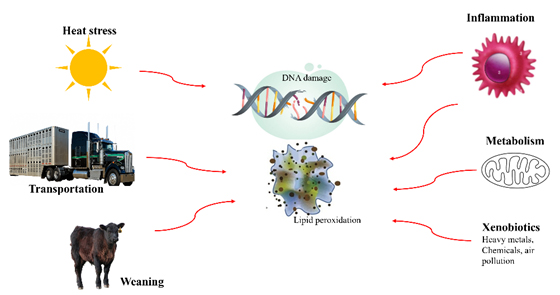
Figure 1. Schematic representation of the major sources of free radical generation in farm animals, including metabolic processes, environmental stressors, and management-related factors
2.1. Mechanism of free radical formation
Free radicals can be generated from both endogenous and exogenous sources (Figure 1). Understanding their physiological mechanisms and their functional role in animal health could prevent the occurrence of diseases (Chandimali et al., 2025; Lobo et al., 2010). Mitochondrial electron transport chain is the major source of endogenous free radical production (Phaniendra et al., 2015). Superoxide radicals are generated when electrons leak and react with molecular oxygen, which occurs during cellular respiration. Apart from respiration, oxidase enzymes such as nicotinamide adenine dinucleotide phosphate (NADPH) oxidase are another source of endogenous mechanism that produces free radicals. This enzyme is found in neutrophils and macrophages, playing an important function in immune response (Panday et al., 2015). NADPH oxidase transfer electrons from NADPH to oxygen, leading to the production of superoxide radicals which is critical for pathogen destruction (Desforges et al., 2016; Panday et al., 2015). Purine metabolism can likewise generate hydrogen peroxide and superoxide as byproducts by the action of xanthine oxidase (Ma et al., 2018). Superoxide radicals could also be generated from biotransformation of xenobiotics, although the enzymatic activities play an important role in reducing free radicals in the body (Tumilaar et al., 2024). Conversely, the metabolism of xenobiotics by cytochrome P450 can create superoxide radicals when electrons are leaked, potentially reacting with oxygen to produce superoxides (Lismont et al., 2019; Veith & Moorthy, 2018). The end-product of lipid peroxidation, including malondialdehyde and 4-hydroxynonenal, are reactive species capable of inducing oxidative damage to the body (Barrera et al., 2018). Peroxidation of lipids is initiated when free radical removes a hydrogen atom from polyunsaturated fatty acid (PUFA) leading to the formation of lipid radical, which reacts with molecular oxygen to generate peroxyl radical. Peroxyl radicals initiate chain reaction of removing hydrogen atoms from lipids thereby generating more lipid and peroxyl radicals (Ayala et al., 2014).
Exogenous sources of pro-oxidants and free radical formation are mainly from management practices such as weaning and transportation (Peng et al., 2023; Piccione et al., 2013), heat stress (Alberghina et al., 2024; Montilla et al., 2014), environmental pollutants and toxins such as chemicals and heavy metals (Phaniendra et al., 2015). For example, smoke generated from burning contains a complex mixture of free radicals and pro-oxidants which can be both short and long-lived radicals such as superoxide and nitric oxide. The radicals initiate lipid peroxidation when they penetrate the tissues thereby causing oxidative stress (Caliri et al., 2021). Heavy metal contamination in soil, forages, and water can generate reactive oxygen species (ROS) when consumed by livestock, deplete cellular antioxidants, and expose them to oxidative damage (Bhattacharyya et al., 2014). Free radicals are harmless when produced at low to moderate levels in farm animals, however, they become harmful when they accumulate at higher levels causing cellular damage (Ponnampalam et al., 2022).
2.2. Types of free radicals
Free radicals are majorly classified into reactive oxygen species (ROS) and reactive nitrogen species (RNS) (Phaniendra et al., 2015). Reactive oxygen species consist of both oxygen radicals and some non-radicals, which act as oxidizing agents and can transform into radicals (Tashla et al., 2021). These are highly reactive atoms or molecules having one or more than one unpaired electron such as superoxide radical, hydroxyl and peroxyl radicals (Martemucci et al., 2022). Free radicals are formed when chemical bonds are broken during reactions. Once formed, they can bind to and damage tissues and biological compounds such as carbohydrates and proteins (Ahmadinejad et al., 2017). Reactive oxygen species are constantly generated during normal metabolism in tissues. During ATP production, oxygen is utilized in mitochondria and water is formed by the reduction of oxygen, however, oxygen intermediate compounds are formed when some quantities are not reduced completely (Tumilaar et al., 2024).
Reactive nitrogen species such as nitric oxide and nitrogen dioxide as well as reactive chlorine species are generated during metabolism (Phaniendra et al., 2015). These oxidants cause damage to biological systems compromising the health of animals, leading to production losses. Nitric oxide plays important roles in vascular regulation, neurotransmission, and immune responses (Di Meo et al., 2016). However, excessive production can lead to its reaction with superoxide to form peroxynitrite which acts as an oxidizing and nitrating agent (Chandimali et al., 2025). Peroxynitrite can modify proteins by oxidizing or nitrating tyrosine residues, ultimately disrupting their function and interfering with cellular signaling pathways (Radi, 2013).
Research relating to oxidative stress is increasing in animal science and veterinary fields because of their connection to numerous diseases. In recent times, most studies have focused on the oxidant and antioxidant status in dairy and beef cattle at different physiological states to combat the detrimental effects of pro-oxidants and to minimize production losses (Abuelo et al., 2015).
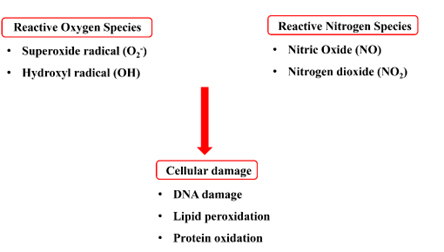
Figure 2. Types of free radicals and their attributes
3.0 Effect of oxidative stress on animal health
3.1. Onset of diseases and immune suppression
The complex mechanism of the immune system helps in protecting the host from pathogenic invasions, but some factors affect its proper functioning (Lacetera, 2012). Researchers have reported heat and oxidative stress affects the immune system in farm animals (Cartwright et al., 2021; Chen et al., 2024). The impact of stress-related events on immune function varies based on the duration of exposure, physiological state of the animal, acclimation level and animal related factors including age, breed, genetics and sex. Animal immunity suppression can lead to increased infections, affecting reproductive and production efficiency, and potentially compromising animal welfare (Lacetera, 2012). This can increase the use of antimicrobials to promote animal health and wellbeing and ultimately causing more antimicrobial resistance.
Chronic exposure to heat stress was reported to impair immune response in animals. Lacetera et al. (2005) described the role of heat stress in impairing lymphocyte function in dairy cows, leading to the reduction in drug and vaccine efficacy and making the animal vulnerable to diseases. Similarly, Lecchi et al. (2016) reported that high temperatures affected neutrophil function. Neutrophils have a protective role in preventing animals against infections. A 2-year study by Vitali et al. (2009) in Italian dairy farms reported a higher mastitis diagnosis in the summer due to heat stress. The risk of immune cell dysfunction in hot environment underscores the importance of management strategies such as evaporative cooling, modified nutritional programs, and enhanced animal hygiene (Oliveira et al., 2025). These practices help regulate body temperature, reducing the likelihood of disease.
3.2. Inflammation
Inflammation is a defensive mechanism used by animals to combat pathogens, resulting in the immune cells producing ROS. These ROS produced during inflammatory response helps to prevent tissue invasion by bacteria, however, prolong production of ROS leads to oxidative stress and inflammatory-associated diseases (Chatterjee, 2016). Excess production of ROS can lead to inflammation by the activation of the nuclear factor kappa B (NF-𝜅B) which triggers the release of pro-inflammatory biomarkers such as tumor necrosis factor-alpha (TNF-𝛼), interlukin 1β (IL-1β) and interlukin 6 (IL-6). These biomarkers play a significant role in the inflammatory process leading to various chronic diseases (Hussain et al., 2016). The cytokines and chemokines released during inflammation binds to their respective receptors, this also leads to the generation of ROS (Chapple, 1997; Ferrara et al., 2003). The process of inflammation also upregulates inflammatory molecules such as vascular cell adhesion molecule-1 (VCAM-1) and intercellular adhesion molecule-1 (ICAM-1) which mediates the binding of immune cells to endothelial cells, and other immune cells, thereby facilitating their movement into tissues to combat inflammation ((Bui et al., 2020; Verstrepen & Beyaert, 2014). In a study by Chen et al. (2024), the authors reported the upregulation of NF-𝜅B inflammatory pathway, leading to the production of high pro-inflammatory biomarkers such as IL-6, TNF-α, and interferon gamma (INF-γ) and a significant decrease in anti-inflammatory IL-4 in the spleen in heat stressed chicken. The high pro-inflammatory biomarkers can affect animal welfare and health due to impaired immune function.
4.0 Factors contributing to oxidative stress
4.1. Environmental factors
Climate is one of several factors capable of influencing disease dynamics and is projected to have a profound negative impact on both human and animal health (Rabinowitz & Conti, 2013). Some studies suggests that rising temperatures can lead to a decline in mortality rates and improve the health and welfare of humans and livestock residing in regions with cold winters (Ballester et al., 2011; Rose et al., 2015). Climate change is affecting animal health by the constant rise in temperatures during summer and extremely cold temperatures in the winter.
The role of heat stress in triggering oxidative stress in farm animals has gained increasing attention (Akbarian et al., 2016). Research indicates that serum total antioxidant levels in heifers are lower during the summer than in winter, particularly in peri- and postpartum periods (Mirzad et al., 2018). Similarly, mid-lactating cows exhibit elevated plasma concentrations of reactive oxygen metabolites during hot weather conditions. Studies on different animal species have reported an imbalance between oxidant and antioxidant molecules in the bloodstream during summer (Alberghina et al., 2024; Sumanu et al., 2023; Tang et al., 2022). Heat stress can elevate antioxidant enzyme activity as a compensatory response to heightened ROS production. Additionally, reduced feed intake combined with increased energy expenditure for thermoregulation disrupts energy balance, contributing to weight loss in heat-stressed animals. In a study by Altan et al. (2003), the authors reported the impact of heat stress in 2 broiler strains. Exposure to heat stress resulted in elevated rectal temperature and MDA concentration with reduced SOD, GPx and CAT. Similar observation was reported by Tang et al. (2022), there was lower hepatic MDA and SOD levels, as well as Nrf2 protein, and NQO1 mRNA expressions in the liver of heat stressed broiler chickens. In pigs, Cui et al. (2016) observed upregulation of genes responsible for producing antioxidant defense proteins such as such as PARK7 gene which encodes DJ-1 protein, and GSTM2 gene which encodes glutathione S-transferase. These genes were upregulated in the liver of pigs exposed to heat stress, while acting as antioxidant to protect cells from damage caused by free radicals and other harmful molecules. In another study of pig skeletal muscle from heat stressed pigs, Montilla et al. (2014) highlighted a 2.5 folds increase in MDA after 1 day exposure to heat stress with increased CAT and SOD-1 gene expression in the animals.
The summer season is marked by higher mortality risk for animals, leading to an increase in their death rate (Vitali et al., 2015). Researchers have reported the harmful effects of extreme temperature leading to mortality in farm animals (Godde et al., 2021; Thornton et al., 2021).
Similarly, cold stress plays a significant factor in livestock mortality, leading to considerable economic losses, particularly during winter months (Hu et al., 2021). Cold stress can be categorized as either acute or chronic, depending on its severity and duration (Zhao et al., 2020). Even prolonged exposure to mild cold conditions has been shown to alter digestive function in animals (Muzzo et al., 2024; Wang, Li, et al., 2023). Strong winter winds and snowfall exacerbate heat loss, intensifying cold stress in cattle. Cold exposure also increases gastrointestinal contractions, accelerating feed passage through the digestive tract. As a result, gut microbes and digestive enzymes function less efficiently, leading to incomplete digestion and reduced nutrient absorption (Karl et al., 2018; Wang, Li, et al., 2023). Berian et al. (2019) reported that lactating cows exposed to cold stress showed a decrease in milk yield compared to those in the control group. Similarly, research by Sahib et al. (2024) found that dairy cows subjected to cold temperatures experienced an average of 12% reduction in milk production, primarily due to increased energy demands for thermoregulation. In beef cattle, steers exposed to cold stress exhibited a marked decline in average daily gain, along with elevated physiological stress markers, highlighting the long-term impact of cold stress on beef production systems (Cantalapiedra-Hijar et al., 2018; Lees et al., 2019). Both heat and cold stress present major challenges to livestock health and productivity, underscoring the need for adaptive management strategies to mitigate climate-related impacts on animal agriculture.
4.2. Livestock production-related factors
4.2.1. Weaning
Weaning is an integral component of cow-calf beef production systems, characterized by separating calves around 6 – 7 months of age from their dams. Weaning is very stressful to both cows and calves (Vogt et al., 2024), it reduces growth performance, and elicits marked behavioral responses, including increased vocalizations which is indicative of compromised animal welfare (Wiese et al., 2016). Calves must adapt to sudden physio-social changes, seasonal climatic changes, new pens at weaning, and dietary changes due to loss of access to udder and milk (Enríquez et al., 2011). These multiple stressors at weaning can lead to loss of body weight, increased body temperature, aggressive behavior, and elevated inflammatory responses due to accumulation of free radicals in calves (Wiese et al., 2016). Several strategies to minimize weaning stress have been reported such as the two-stage weaning method, which was reported to minimize stress response in beef calves. The two-stage weaning method which involves weaning calves from milk before weaning from the dam, was reported to minimize the stress response of beef calves when compared to the traditional abrupt weaning method (Alvez et al., 2016; Ungerfeld et al., 2016). Regardless of the weaning strategy, increased vocalization, aggressive behavior, and elevated concentrations of stress biomarkers including cortisol and ROS were reported (Lynch et al., 2010). This highlighted the adverse effects of the weaning process in animals, which can reduce growth performance during the stocker or feedlot phase.
4.2.2. Transportation
Animal transportation is an essential component of the production cycle, occurring during key life events such as sorting, weaning, processing, and slaughter (Schwartzkopf-Genswein & Grandin, 2014). Beef cattle can be transported four or more times during its lifetime; beginning from its birthplace to locations such as an auction, stocker or backgrounding operation, feedlot, and finally slaughterhouse (Deters & Hansen, 2020). However, transportation acts as a significant stressor, predisposing animals to diseases by compromising immune function and increasing inflammation, with limited pre-transport interventions currently implemented (Deters & Hansen, 2020; Van Engen & Coetzee, 2018).
During transit, cattle are exposed to environmental stressors, including free radicals from diesel fumes, which contain organic compounds that can disrupt the mucosal epithelium (Wierzbicka et al., 2014). This exposure may impair respiratory function, increasing susceptibility to respiratory diseases such as bovine respiratory disease (Buckham-Sporer et al., 2023; Riedl & Diaz-Sanchez, 2005). Additionally, loading stress affects both high-temperament and calm-temperament cattle (Burdick et al., 2011). The physical movement during loading and transit elevates the risk of soft tissue injuries, while rough roads and improper handling contribute to carcass bruising, negatively impacting animal welfare and causing economic losses at the processing stage (Huertas et al., 2010; Huertas et al., 2015; Zanardi et al., 2022). Mortality rate was reported to increase with longer transport duration while high temperature-humidity index was also associated with higher mortality during transportation (Lacetera, 2019).
Oxidative stress is another major problem associated with animal transportation (Deters & Hansen, 2020; Li et al., 2024). Animal transportation is characterized by food deprivation, psychological stress, and physical exertion which tend to induce oxidative stress (Deters & Hansen, 2020) through disruption in the balance of ROS in the body. This leads to the buildup of harmful metabolites like MDA while causing significant damage to proteins, DNA, and lipids (Peng et al., 2023). EL-Deeb & El-Bahr (2014) observed elevated plasma MDA levels in buffalo calves following a 4-hour, 250 km transport, accompanied by decreased levels of nitric oxide, SOD, and GPx. Likewise, Wernicki et al. (2014) reported increased serum MDA in beef calves after a 120 km journey. Elevated MDA levels and decreased SOD and GPx in the small intestine of goats subjected to transportation durations of 2 and 6 hours as reported by Peng et al. (2023). Oxidative stress in animals could be related to an increase in ROS induced by transportation. These free radicals generated can induce lipid peroxidation of erythrocyte membranes which is responsible for high MDA levels in transported animals (Xu et al., 2024).
5.0 Combating oxidative stress in animal production
Several antioxidant sources in animal diets help in scavenging free radicals which prevents their accumulation and subsequently the occurrence of oxidative stress. Antioxidants such as polyphenols can neutralize free radicals by donating hydrogen from their hydroxyl group (Chandimali et al., 2025; Lü et al., 2010). Apart from the direct scavenging of free radicals, antioxidants also help in activating the Nrf2 pathway which leads to the upregulation of antioxidant genes to produce more antioxidant enzymes which converts free radicals into their unreactive form (Ma, 2013; Nguyen et al., 2009). The endogenous antioxidant defense system helps in the regulation of free radicals in the body, by catalyzing free radicals into unreactive form. Some well-known endogenous antioxidants include SOD which is present in the cytosol and mitochondria. SOD major antioxidant that catalyzes superoxide radicals into hydrogen peroxide with zinc, copper, and manganese being cofactors. Another major antioxidant is GPx which converts hydrogen peroxide to water through the oxidation of glutathione, and then the oxidized glutathione (GSSG) is reduced back to glutathione (GSH) using NADPH. Furthermore, CAT which is found in peroxisomes and nucleus, converts hydrogen peroxide into water molecules and less reactive oxygen (Jomova et al., 2024). Figure 3 below depicts the mechanism of an endogenous antioxidant defense system with their co-factors.
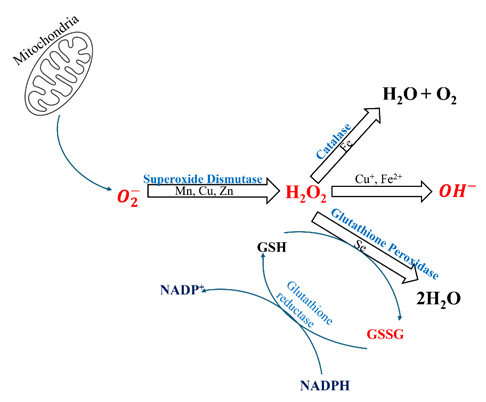
Figure 3. The enzymatic antioxidant defense system and their co-factors
5.1. Supplementation with plant bioactives
There has been consideration in the use of synthetic antioxidants to improve the health, performance and product quality of animals. However, the potential adverse effects (such as endocrine disruption) of the synthetic compounds are limiting their use (Lin et al., 2016). The use of natural antioxidants like polyphenols, flavonoids, and phytochemicals is rapidly being researched in the field of animal nutrition (Ganiyu et al., 2025; Lee et al., 2016). Reports showed that phytochemicals have antioxidant benefits, which favored growth performance and production quality of animals (Lee et al., 2013).
Several natural compounds in plants have been reported to have antioxidant properties (Abbas et al., 2015). Replacing synthetic antioxidants with naturally occurring antioxidants will improve animal performance and health without residual effects on animal products thereby increasing consumer demand for safe animal products (Lee et al., 2016). (Mahfuz et al., 2022) reported medicinal plants have antioxidant properties, which have been used as feed additives in animal production. These bioactive compounds not only promote animal performance, but also improve the quality of animal products and their shelf life. Ogunkunle et al. (2024a, 2026) reported high antioxidant enzyme in the plasma of beef cattle fed industrial hemp-based diet. Industrial hemp was able to combat weaning stress by improving the concentration of GPx and SOD while reducing MDA in beef calves (Ogunkunle et al., 2024b). Similarly, supplementation of industrial hemp to beef heifers reduced oxidative stress biomarkers such as GPx and SOD (Ogunkunle et al., 2024a). In another study, high GPx was reported in the liver of lambs fed chokeberry pomace diet (Lipińska et al., 2017), and in the plasma of cattle supplemented with green tea polyphenol (Ma et al., 2021). Kafantaris et al. (2017) reported an increase in CAT concentration in lambs fed grape pomace. In poultry, GPx increased with increasing grape pomace supplementation in broilers challenged with coccidiosis (Sharma et al., 2025). Additionally, feeding pigs with grape pomace led to an increase in the expression of Nrf2 and reduction in NF-kB p65 expression (Horodincu et al., 2025).
Phytochemicals have been extensively documented to modulate inflammatory pathways (Kim et al., 2009), primarily through the downregulation of the NF-𝜅B pathway (Vafeiadou et al., 2009). Elevated oxidative stress can stimulate the release of proinflammatory cytokines, including TNF-𝛼 and IL-6 (Prabhakar, 2013), while simultaneously enhancing the expression of inflammatory mediators such as VCAM-1, ICAM-1, and NF-𝜅B (Prabhakar, 2013). Polyphenols are capable of interacting with nonpolar compounds located within the hydrophobic inner layer of the plasma membrane. These interactions may influence the oxidative processes affecting lipids and proteins. Certain flavonoids embedded in the hydrophobic core of the membrane can impede the penetration of oxidants, thereby preserving membrane structure and function (Oteiza et al., 2005). Such interactions provide valuable insights into the underlying molecular mechanisms by which polyphenols exert their biological activities, particularly in relation to cellular signaling and transduction processes (Hussain et al., 2016).
5.2. Vitamin and mineral supplementation
Vitamin and mineral supplementation to farm animals have been proven to be effective sources of antioxidants and enzyme co-factors. Water and fat-soluble vitamins are antioxidants that help scavenge free radicals and prevent their accumulation in the body. Vitamin C, a water-soluble antioxidant can protect cells, lipids and proteins from oxidative damage when supplemented at small quantity (Chandimali et al., 2025). It also helps in restoring oxidized form of vitamin E (α-tocopherol) and glutathione (GSSG) to their reduced form, thereby improving their antioxidant status. Lipid soluble vitamin E helps to prevent lipid peroxidation by interfering with lipid radicals which stops its cellular chain reaction. Due to their different subcellular locations, a combination of Vitamin E and C has been shown to have a better antioxidant effect than either of the two vitamins alone (Jena et al., 2013; Ryan et al., 2010).
Injecting goats with vitamin E reduced transportation-induced oxidative stress by increasing the serum GPx concentration, resulting in lower stress in the animals (Danyer et al., 2021). Similarly, injecting vitamin C to yaks improved serum CAT and SOD concentration (Zhang et al., 2023). Administering vitamin E to pregnant cows improved their antioxidative status by significantly increasing the concentration of GPx in the serum of the cows (Yenilmez et al., 2022). Jena et al. (2013)) reported that supplementing vitamin E and C to broiler breeder hens during the summer led to higher serum SOD, CAT and lower MDA.
Trace minerals have also been reported to prevent the accumulation of free radicals by scavenging them (Oladejo & Ogunkunle, 2024). Minerals such as zinc (Zn), Manganese (Mn), copper (Cu), selenium (Se), iron (Fe) serve as co-factors of antioxidant enzymes by upregulating antioxidant genes thereby enhancing the production of antioxidant enzymes such as SOD, CAT and GPx as presented in Figure 3. Bicalho et al. (2014) reported increased Cu, Se, and Zn in the serum of dairy cows supplemented with inorganic trace minerals. Similarly, Pogge et al. (2012) reported significantly higher concentration of Zn in the serum and high Cu and Se concentration in the liver of steers supplemented with inorganic trace minerals. Supplementation of complex organic trace minerals to weanling piglets resulted in higher concentrations of Cu/Zn-SOD, Mn-SOD and GPx in the serum (Wang et al., 2023). In another study, (Xu et al., 2024) reported high total antioxidant, Cu-SOD and GPx enzyme activity in the serum with low MDA in finishing pigs supplemented with organic trace minerals. However, (Trairatapiwan et al., 2025) did not observe any significant difference in SOD activity when low levels of organic trace minerals were fed to broilers.
The negative effect of trace mineral supplementation is mineral toxicity which occurs when animals are fed with high mineral level. Also, Fe2+ and Cu+ can produce free radicals through the Fenton reaction where hydrogen peroxide is converted into hydroxyl radicals which is harmful to the body. Supplementation of adequate level of vitamin and minerals to livestock can boost their immunity by reducing the accumulation of ROS due to the upregulation of Nrf2 and downregulation of NF-κB pathway to mitigate the adverse effect of stress and inflammation.
5.3. Animal management practices
5.3.1. Environmental enrichment
This involves the introduction of objects (e.g., ropes or balls) or structures (e.g., climbing or elevated platforms) (Gomes et al., 2018) to the animal’s surroundings, particularly in enclosed systems, to reduce stress or boredom, encourage exploratory and social behavior, thereby fostering animal welfare. This approach, although species-dependent (Mota-Rojas et al., 2024; Wein et al., 2024), enhances mental, emotional, and physical wellbeing through the decreased production of ROS (Fernandes et al., 2022). According to Herring et al. (2008), environmental enrichment stimulates anti-oxidative defense mechanisms. For example, clinical studies established that environmental enrichment enhance oxidative balance in the central nervous system by decreasing certain oxidative stress biomarkers (da Silva Fidélis et al., 2025; Ramos et al., 2024). Exposure of dry goats to stages and brushes (as enrichment materials) attenuated oxidative stress through decrease in ROS and the oxidative modifications of blood proteins, lipids, and sugars (Wein et al., 2024). Commercial livestock production systems are oftentimes subjected to an intensive, enclosed system. Therefore, the incorporation of environmental enrichment is a promising intervention to promote animal health and welfare by improving overall stress resilience.
Proper ventilation, planting of trees to serve as shades, genetic selection: breeding for animals with better adaptive responses to stressors and stronger innate antioxidant capacities.
5.3.2. Housing and Handling conditions
Poor sanitary conditions, inadequate space, and solitary housing ((Marco-Ramell et al., 2016; Sierżant et al., 2019) have been clearly identified as major risk factors for animals raised under intensive production systems. These factors are linked to oxidative stress, as evidenced by increased blood hydroperoxides and reduced total antioxidant capacity in pigs (Sierżant et al., 2019). For instance, when young pigs were moved from group housing to individual pens, salivary cortisol levels rose, accompanied by elevated blood oxidative stress biomarkers (Marco-Ramell et al., 2016). Similarly, Quesnel et al. (2019) reported that piglets from dams housed on concrete slatted floors had lower blood antioxidant status than those from dams kept on straw. In ewes, the shearing process also increased blood oxidant levels (Fazio et al., 2018).
To prevent these adverse effects, animals should be maintained under consistent and suitable housing conditions throughout their lifetime. Combining favorable rearing environments with proper ventilation and environmental enrichment can enhance animal health, welfare, and productivity (Abo Ghanima et al., 2020). Furthermore, strategies should be developed to minimize the physical, psychological, and behavioral stress associated with livestock handling and production. Establishing an ecosystem that reduces both physical and psychological stressors can help prevent disease transmission and mitigate oxidative stress.
Transportation Road transport elevates oxidative conditions, raising livestock welfare and economic concerns (Fazio et al., 2018). Strategies must be implemented to minimize the potential injury, fear, or fatigue during transportation (Deters & Hansen, 2020). These strategies may include 1) assessing the physiological state of animals to be transported, ensuring that no indisposed or gestating animal is present. 2) acclimatizing animals to transport equipment early in life to reduce fear or anxiety at an advanced age 3) the use of an environment-controlled transport vehicles would significantly help maintain or promote animal welfare
6.0 Conclusion
Oxidative stress is the culprit in animal production; it affects immunity which exposes animals to several diseases. Understanding different management and environmental factors contributing to oxidative could proffer a sustainable way of improving animal production systems to limit the occurrence of oxidative stress in farm animals. Exploring the significant impact of different bioactive compounds with antioxidant and anti-inflammatory properties in animal production could improve animal performance and productivity during the constantly changing environmental conditions. Preventing the occurrence of oxidative stress through management and dietary interventions can significantly improve animal health, performance, welfare and productivity thereby encouraging sustainability of livestock production.
Author Contributions: Conceptualisation: Nathaniel F Ogunkunle, Emmanuel O Oladejo; Writing – Original draft preparation: Nathaniel F Ogunkunle, Emmanuel O Oladejo, Michael K Olanrewaju, Onyekachi O Nwankwo; Writing – Review and editing: Nathaniel F Ogunkunle, Emmanuel O Oladejo. All authors have read and agreed to the published version of the manuscript.
Funding: This review received no external funding.
Ethics Approval Statement: Not applicable.
Informed Consent Statement: Not applicable.
Data Availability Statement: Not applicable for literature review.
Acknowledgments: Not applicable.
Conflicts of Interest: The authors declare no conflicts of interest.
Artificial Intelligence: AI was not used in this review.
References
Abbas ZK, Saggu S, Sakeran MI, Zidan N, Rehman H, Ansari AA. 2015. Phytochemical, antioxidant and mineral composition of hydroalcoholic extract of chicory (Cichorium intybus L.) leaves. Saudi Journal of Biological Sciences, 22(3), 322–326. https://doi.org/10.1016/j.sjbs.2014.11.015
Abo Ghanima MM, El-Edel MA, Ashour EA, Abd El-Hack ME, Othman SI, Alwaili MA, Allam AA, Khafaga AF, Abd El-Aziz AH. 2020. The influences of various housing systems on growth, carcass traits, meat quality, immunity and oxidative stress of meat-type ducks. Animals, 10(3), 410. https://doi.org/10.3390/ani10030410
Abuelo A, Hernández J, Benedito JL, Castillo C. 2015. The importance of the oxidative status of dairy cattle in the periparturient period: revisiting antioxidant supplementation. Journal of Animal Physiology and Animal Nutrition, 99(6), 1003–1016. https://doi.org/10.1111/jpn.12273
Ahmadinejad F, Geir Møller S, Hashemzadeh-Chaleshtori M, Bidkhori G, Jami MS. 2017. Molecular mechanisms behind free radical scavengers function against oxidative stress. Antioxidants, 6(3), 51. https://doi.org/10.3390/antiox6030051
Akbarian A, Michiels J, Degroote J, Majdeddin M, Golian A, De Smet S. 2016. Association between heat stress and oxidative stress in poultry; mitochondrial dysfunction and dietary interventions with phytochemicals. Journal of Animal Science and Biotechnology, 7(1), 37. https://doi.org/10.1186/s40104-016-0097-5
Alberghina D, Amato A, Brancato G, Cavallo C, Liotta L, Lopreiato V. 2024. Impact of heat stress on the balance between oxidative markers and the antioxidant defence system in the plasma of mid-lactating Modicana dairy cows. Animals, 14(14), 2034. https://doi.org/10.3390/ani14142034
Altan Ö, Pabuçcuoğlu A, Altan A, Konyalioğlu S, Bayraktar H. 2003. Effect of heat stress on oxidative stress, lipid peroxidation and some stress parameters in broilers. British Poultry Science, 44(4), 545–550. https://doi.org/10.1080/00071660310001618334
Alvez P, Quintans G, Hötzel MJ, Ungerfeld R. 2016. Two-step weaning in beef calves: permanence of nose flaps for 7 or 21 days does not influence the behaviour response. Animal Production Science, 56(5), 866–870. https://doi.org/10.1071/AN14643
Ayala A, Muñoz MF, Argüelles S. 2014. Lipid peroxidation: Production, metabolism, and signalling mechanisms of malondialdehyde and 4-hydroxy-2-nonenal. Oxidative Medicine and Cellular Longevity, 2014, 1–31. https://doi.org/10.1155/2014/360438
Ballester J, Robine JM, Herrmann FR, Rodó X. 2011. Long-term projections and acclimatization scenarios of temperature-related mortality in Europe. Nature Communications, 2(1), 358. https://doi.org/10.1038/ncomms1360
Balmus IM, Ciobica A, Antioch I, Dobrin R, Timofte D. 2016. Oxidative stress implications in the affective disorders: Main biomarkers, animal models relevance, genetic perspectives and antioxidant approaches. Oxidative Medicine and Cellular Longevity, 2016(1). https://doi.org/10.1155/2016/3975101
Barrera G, Pizzimenti S, Daga M, Dianzani C, Arcaro, A, Cetrangolo GP, Giordano G, Cucci MA, Graf M, Gentile F. 2018. Lipid peroxidation-derived aldehydes, 4-hydroxynonenal and malondialdehyde in aging-related disorders. Antioxidants, 7(8), 102. https://doi.org/10.3390/antiox7080102
Bekhit AEA, Hopkins DL, Fahri FT, Ponnampalam EN. 2013. Oxidative processes in muscle systems and fresh meat: Sources, markers, and remedies. Comprehensive Reviews in Food Science and Food Safety, 12(5), 565–597. https://doi.org/10.1111/1541-4337.12027
Berian S, Gupta SK, Ali S, Dua S, Ganaie I, Kumar A. 2019. Effect of Cold stress on milk yield, physiological and haemato-biochemical profile of crossbred dairy cattle. Journal of Animal Research, 9(2), 335–338. https://doi.org/10.30954/2277-940X.02.2019.18
Bhattacharyya A, Chattopadhyay R, Mitra S, Crowe SE. 2014. Oxidative stress: An essential factor in the pathogenesis of gastrointestinal mucosal diseases. Physiological Reviews, 94(2), 329–354. https://doi.org/10.1152/physrev.00040.2012
Bicalho MLS, Lima FS, Ganda EK, Foditsch C, Meira EBS, Machado VS, Teixeira AGV, Oikonomou G, Gilbert RO, Bicalho RC. 2014. Effect of trace mineral supplementation on selected minerals, energy metabolites, oxidative stress, and immune parameters and its association with uterine diseases in dairy cattle. Journal of Dairy Science, 97(7), 4281–4295. https://doi.org/10.3168/jds.2013-7832
Buckham-Sporer K, Earley B, Marti S. 2023. Current knowledge on the transportation by road of cattle, including unweaned calves. Animals, 13(21), 3393. https://doi.org/10.3390/ani13213393
Bui TM, Wiesolek HL, Sumagin R. 2020. ICAM-1: A master regulator of cellular responses in inflammation, injury resolution, and tumorigenesis. Journal of Leukocyte Biology, 108(3), 787–799. https://doi.org/10.1002/JLB.2MR0220-549R
Burdick NC, Carroll JA, Randel RD, Willard ST, Vann RC, Chase CC, Lawhon SD, Hulbert LE, Welsh TH. 2011. Influence of temperament and transportation on physiological and endocrinological parameters in bulls. Livestock Science, 139(3), 213–221. https://doi.org/10.1016/j.livsci.2011.01.013
Caliri AW, Tommasi S, Besaratinia A. 2021. Relationships among smoking, oxidative stress, inflammation, macromolecular damage, and cancer. Mutation Research Reviews in Mutation Research, 787, 108365. https://doi.org/10.1016/j.mrrev.2021.108365
Cantalapiedra-Hijar G, Abo-Ismail M, Carstens GE, Guan LL, Hegarty R, Kenny DA, McGee M, Plastow G, Relling A, Ortigues-Marty I. 2018. Review: Biological determinants of between-animal variation in feed efficiency of growing beef cattle. Animal, 12(2), s321–s335. https://doi.org/10.1017/S1751731118001489
Cartwright SL, McKechnie M, Schmied J, Livernois AM, Mallard BA. 2021. Effect of in-vitro heat stress challenge on the function of blood mononuclear cells from dairy cattle ranked as high, average and low immune responders. BMC Veterinary Research, 17(1), 233. https://doi.org/10.1186/s12917-021-02940-8
Castillo C, Pereira V, Abuelo Á, Hernández J. 2013. Effect of supplementation with antioxidants on the quality of bovine milk and meat production. The Scientific World Journal, 2013(1). https://doi.org/10.1155/2013/616098
Chandimali N, Bak SG, Park EH, Lim HJ, Won YS, Kim EK, Park SI, Lee SJ. 2025. Free radicals and their impact on health and antioxidant defenses: A review. Cell Death Discovery, 11(1), 19. https://doi.org/10.1038/s41420-024-02278-8
Chapple ILC. 1997. Reactive oxygen species and antioxidants in inflammatory diseases. Journal of Clinical Periodontology, 24(5), 287–296. https://doi.org/10.1111/j.1600-051X.1997.tb00760.x
Chatterjee S. 2016. Oxidative stress, inflammation, and disease. In: Oxidative Stress and Biomaterials (pp. 35–58). Elsevier. https://doi.org/10.1016/B978-0-12-803269-5.00002-4
Chen H, Wang F, Wu X, Yuan S, Dong H, Zhou C, Feng S, Zhao Z, Si L. 2024. Chronic heat stress induces oxidative stress and induces inflammatory injury in broiler spleen via TLRs/MyD88/NF-κB signalling pathway in broilers. Veterinary Sciences, 11(7), 293. https://doi.org/10.3390/vetsci11070293
Cui Y, Hao Y, Li J, Bao W, Li G, Gao Y, Gu X. 2016. Chronic heat stress induces immune response, oxidative stress response, and apoptosis of finishing pig liver: A proteomic approach. International Journal of Molecular Sciences, 17(5), 393. https://doi.org/10.3390/ijms17050393
da Silva Fidélis D, de Sousa Fernandes M, Ramos TL, Gonçalves Silva CB, Perreira AR, de Olivera Nóbrega C, de Souza VM, Yagin FH, Aygun Y, Lagranha CJ, Fernandes MP, Alwhaibi RM, Souto FO. 2025. Three weeks of environmental enrichment enhance hepatic-muscular oxidative balance and decrease interleukin-6 levels in juvenile female C57BL/6 mice. Frontiers in Physiology, 16, 1626477. https://doi.org/10.3389/fphys.2025.1626477
Danyer E, Bilal T, Altiner A, Aytekin I, Atalay H. 2021. The effect of vitamin E treatment on selected immune and oxidative parameters in Kivircik ewes suffering from transport stress. Journal of Animal Physiology and Animal Nutrition, 105(S1), 34–41. https://doi.org/10.1111/jpn.13560
Desforges JPW, Sonne, C, Levin, M, Siebert, U, De Guise, S, Dietz R. 2016. Immunotoxic effects of environmental pollutants in marine mammals. Environment International, 86, 126–139. https://doi.org/10.1016/j.envint.2015.10.007
Deters EL, Hansen SL. 2020. Invited Review: Linking road transportation with oxidative stress in cattle and other species. Applied Animal Science, 36(2), 183–200. https://doi.org/10.15232/aas.2019-01956
Di Meo S, Reed TT, Venditti P, Victor VM. 2016. Role of ROS and RNS sources in physiological and pathological conditions. Oxidative Medicine and Cellular Longevity, 2016(1). https://doi.org/10.1155/2016/1245049
EL-Deeb WM, El-Bahr SM. 2014. Acute-phase proteins and oxidative stress biomarkers in water buffalo calves subjected to transportation stress. Comparative Clinical Pathology, 23(3), 577–582. https://doi.org/10.1007/s00580-012-1654-8
Enríquez D, Hötzel MJ, Ungerfeld R. 2011. Minimising the stress of weaning of beef calves: A review. Acta Veterinaria Scandinavica, 53(1), 28. https://doi.org/10.1186/1751-0147-53-28
Fazio F, Arfuso F, Rizzo M, Giannetto C, Giudice E, Zanghì E, Piccione G. 2018. Livestock handling and road transport influence some oxidative stress parameters in ewes. Journal of Veterinary Behavior, 26, 5–10. https://doi.org/10.1016/j.jveb.2018.03.010
Fernandes MS, Pedroza AA, de Andrade Silva SC, de Lemos MDT, Bernardo EM, Pereira AR, dos Santos TM, Lagranha C. 2022. Undernutrition during development modulates endoplasmic reticulum stress genes in the hippocampus of juvenile rats: Involvement of oxidative stress. Brain Research, 1797, 148098. https://doi.org/10.1016/j.brainres.2022.148098
Ferrara N, Gerber HP, LeCouter J. 2003. The biology of VEGF and its receptors. Nature Medicine, 9(6), 669–676. https://doi.org/10.1038/nm0603-669
Ganiyu AO, Belewu MA, Ogunkunle NF, Imam RO. 2025. Growth performance and digestibility of Red Sokoto goats fed Jatropha curcas kernel cake treated with Pseudomonas aeruginosa. International Journal of Veterinary Medicine and Animal Science, 2(1), 1–6. https://doi.org/10.54536/ijvmas.v2i1.4195
Godde CM, Mason-D’Croz D, Mayberry DE, Thornton PK, Herrero M. 2021. Impacts of climate change on the livestock food supply chain: A review of the evidence. Global Food Security, 28, 100488. https://doi.org/10.1016/j.gfs.2020.100488
Gomes KAR, Valentim JK, Lemke SSR, Dallago GM, Vargas RC, Paiva AL. 2018. Behavior of Saanen dairy goats in an enriched environment. Acta Scientiarum. Animal Sciences, 40(1), 42454. https://doi.org/10.4025/actascianimsci.v40i1.42454
Harper E. 2025. What are free radicals anyway? Solésence. Available online: https://solesence.com/what-are-free-radicals-anyway/ (Accessed on 24/04/2025)
Herring A, Yasin H, Ambrée O, Sachser N, Paulus W, Keyvani K. 2008. Environmental enrichment counteracts Alzheimer’s neurovascular dysfunction in TgCRND8 mice. Brain Pathology, 18(1), 32–39. https://doi.org/10.1111/j.1750-3639.2007.00094.x
Horodincu L, Proca AC, Șlencu BG, Trifan A, Pavel G, Solcan G, Solcan C. 2025. Modulating effects of grape pomace on the intestinal antioxidative and inflammatory status in fattening pigs. Agriculture, 15(7), 740. https://doi.org/10.3390/agriculture15070740
Hu L, Brito LF, Abbas Z, Sammad A, Kang L, Wang D, Wu H, Liu A, Qi G, Zhao M, Wang Y, Xu Q. 2021. Investigating the short-term effects of cold stress on metabolite responses and metabolic pathways in inner Mongolia Sanhe cattle. Animals, 11(9), 2493. https://doi.org/10.3390/ani11092493
Huertas S, Gil A, Piaggio J, van Eerdenburg F. 2010. Transportation of beef cattle to slaughterhouses and how this relates to animal welfare and carcase bruising in an extensive production system. Animal Welfare, 19(3), 281–285. https://doi.org/10.1017/S0962728600001664
Huertas SM, van Eerdenburg F, Gil A, Piaggio J. 2015. Prevalence of carcass bruises as an indicator of welfare in beef cattle and the relation to the economic impact. Veterinary Medicine and Science, 1(1), 9–15. https://doi.org/10.1002/vms3.2
Hussain T, Tan B, Yin Y, Blachier F, Tossou MCB, Rahu N. 2016. Oxidative stress and inflammation: What polyphenols can do for us? Oxidative Medicine and Cellular Longevity, 2016(1). https://doi.org/10.1155/2016/7432797
Iqbal Y, Ponnampalam EN, Cottrell JJ, Suleria HAR, Dunshea FR. 2022. Extraction and characterization of polyphenols from non-conventional edible plants and their antioxidant activities. Food Research International, 157, 111205. https://doi.org/10.1016/j.foodres.2022.111205
Jaguezeski AM, Perin G, Bottari NB, Wagner R, Fagundes MB, Schetinger MRC, Morsch VM, Stein CS, Moresco RN, Barreta DA, Danieli B, Defiltro RC, Schogor ALB, Da Silva AS. 2018. Addition of curcumin to the diet of dairy sheep improves health, performance and milk quality. Animal Feed Science and Technology, 246, 144–157. https://doi.org/10.1016/j.anifeedsci.2018.10.010
Jena BP, Panda N, Patra RC, Mishra PK, Behura NC, Panigrahi B. 2013. Supplementation of Vitamin E and C Reduces Oxidative Stress in Broiler Breeder Hens during Summer. Food and Nutrition Sciences, 04(08), 33–37. https://doi.org/10.4236/fns.2013.48A004
Jomova K, Alomar SY, Alwasel SH, Nepovimova E, Kuca K, Valko M. 2024. Several lines of antioxidant defense against oxidative stress: antioxidant enzymes, nanomaterials with multiple enzyme-mimicking activities, and low-molecular-weight antioxidants. Archives of Toxicology, 98(5), 1323–1367. https://doi.org/10.1007/s00204-024-03696-4
Jung DJS, Kim DH, Beak SH, Cho IG, Hong SJ, Lee J, Lee JO, Kim HJ, Malekkhahi M, Baik M. 2023. Effects of vitamin E and selenium administration on transportation stress in pregnant dairy heifers. Journal of Dairy Science, 106(12), 9576–9586. https://doi.org/10.3168/jds.2023-23463
Kafantaris I, Kotsampasi B, Christodoulou V, Kokka E, Kouka P, Terzopoulou Z, Gerasopoulos K, Stagos D, Mitsagga C, Giavasis I, Makri S, Petrotos K, Kouretas D. 2017. Grape pomace improves antioxidant capacity and faecal microflora of lambs. Journal of Animal Physiology and Animal Nutrition, 101(5). https://doi.org/10.1111/jpn.12569
Karl JP, Hatch AM, Arcidiacono SM, Pearce SC, Pantoja-Feliciano IG, Doherty LA, Soares JW. 2018. Effects of psychological, environmental and physical stressors on the gut microbiota. Frontiers in Microbiology, 9. https://doi.org/10.3389/fmicb.2018.02013
Kim YS, Young MR, Bobe G, Colburn NH, Milner JA. 2009. Bioactive food components, inflammatory targets, and cancer prevention. Cancer Prevention Research, 2(3), 200–208. https://doi.org/10.1158/1940-6207.CAPR-08-0141
Kostadinović L, Lević J, Popović S, Čabarkapa I, Puvača N, Đuragić O, Kormanjoš Š. 2015. Dietary inclusion of Artemisia absinthium for management of growth performance, antioxidative status and quality of chicken meat. European Poultry Science, 79, 1–10. https://doi.org/https://doi.org/10.1399/eps.2015.75
Kruk J, Aboul-Enein BH, Duchnik E, Marchlewicz M. 2022. Antioxidative properties of phenolic compounds and their effect on oxidative stress induced by severe physical exercise. The Journal of Physiological Sciences, 72(1), 19. https://doi.org/10.1186/s12576-022-00845-1
Lacetera N. 2012. Effect of environment on immune functions. Environmental Physiology of Livestock (pp. 165–179). Chichester, UK: Wiley-Blackwell Publishers. R. J. Collie & J.L Collier (Editors), ISBN:9781119949091 https://doi.org/10.1002/9781119949091.ch9
Lacetera N. 2019. Impact of climate change on animal health and welfare. Animal Frontiers, 9(1), 26–31. https://doi.org/10.1093/af/vfy030
Lacetera N, Bernabucci U, Scalia D, Ronchi B, Kuzminsky G, Nardone A. 2005. Lymphocyte functions in dairy cows in hot environment. International Journal of Biometeorology, 50(2), 105–110. https://doi.org/10.1007/s00484-005-0273-3
Lecchi C, Rota N, Vitali A, Ceciliani F, Lacetera N. 2016. In vitro assessment of the effects of temperature on phagocytosis, reactive oxygen species production and apoptosis in bovine polymorphonuclear cells. Veterinary Immunology and Immunopathology, 182, 89–94. https://doi.org/10.1016/j.vetimm.2016.10.007
Lee MT, Lin WC, Yu B, Lee TT. 2016. Antioxidant capacity of phytochemicals and their potential effects on oxidative status in animals — A review. Asian-Australasian Journal of Animal Sciences, 30(3), 299–308. https://doi.org/10.5713/ajas.16.0438
Lee TT, Ciou JY, Chen CL, Yu B. 2013. Effect of Echinacea purpurea L. on oxidative status and meat quality in Arbor Acres broilers. Journal of the Science of Food and Agriculture, 93(1), 166–172. https://doi.org/10.1002/jsfa.5745
Lees AM, Sejian V, Wallage AL, Steel CC, Mader TL, Lees JC, Gaughan JB. 2019. The impact of heat load on cattle. Animals, 9(6), 322. https://doi.org/10.3390/ani9060322
Li R, Wang L, Chen B, Zhang Y, Qi P. 2024. Effects of transportation on blood indices, oxidative stress, rumen fermentation parameters and rumen microbiota in goats. Animals, 14(11), 1616. https://doi.org/10.3390/ani14111616
Lin MJ, Chang SC, Jea YS, Liao JW, Fan YK, Lee TT. 2016. In vitro antioxidant capability and performance assessment of White Roman goose supplemented with dried Toona sinensis. Journal of Applied Animal Research, 44(1), 395–402. https://doi.org/10.1080/09712119.2015.1091342
Lipińska, P, Atanasov A, Palka M, Jóźwik A. 2017. Chokeberry pomace as a determinant of antioxidant parameters assayed in blood and liver tissue of Polish Merino and Wrzosówka lambs. Molecules, 22(11), 1461. https://doi.org/10.3390/molecules22111461
Lismont C, Revenco I, Fransen M. 2019. Peroxisomal hydrogen peroxide metabolism and signalling in health and disease. International Journal of Molecular Sciences, 20(15), 3673. https://doi.org/10.3390/ijms20153673
Lobo V, Patil A, Phatak A, Chandra N. 2010. Free radicals, antioxidants and functional foods: Impact on human health. Pharmacognosy Reviews, 4(8), 118. https://doi.org/10.4103/0973-7847.70902
Lü J, Lin PH, Yao Q, Chen C. 2010. Chemical and molecular mechanisms of antioxidants: Experimental approaches and model systems. Journal of Cellular and Molecular Medicine, 14(4), 840–860. https://doi.org/10.1111/j.1582-4934.2009.00897.x
Lynch E, Earley B, McGee M, Doyle S. 2010. Effect of abrupt weaning at housing on leukocyte distribution, functional activity of neutrophils, and acute phase protein response of beef calves. BMC Veterinary Research, 6(1), 39. https://doi.org/10.1186/1746-6148-6-39
Ma J, Yang L, Ren J, Yang J. 2018. Autophagy, oxidative stress, and redox regulation. In: Autophagy and Cardiometabolic Diseases (pp. 237–251). Elsevier. https://doi.org/10.1016/B978-0-12-805253-2.00020-1
Ma Q. 2013. Role of Nrf2 in oxidative stress and toxicity. Annual Review of Pharmacology and Toxicology, 53(1), 401–426. https://doi.org/10.1146/annurev-pharmtox-011112-140320
Ma Y, Feng Y, Song L, Li M, Dai H, Bao H, Zhang G, Zhao L, Zhang C, Yi J, Liang Y. 2021. Green tea polyphenols supplementation alters immunometabolism and oxidative stress in dairy cows with hyperketonemia. Animal Nutrition, 7(1), 206–215. https://doi.org/10.1016/j.aninu.2020.06.005
Mahfuz S, Mun HS, Dilawar MA, Ampode KMB, Yang CJ. 2022. Potential role of protocatechuic acid as natural feed additives in farm animal production. Animals, 12(6), 741. https://doi.org/10.3390/ani12060741
Marco-Ramell A, Arroyo L, Peña R, Pato R, Saco Y, Fraile L, Bendixen E, Bassols A. 2016. Biochemical and proteomic analyses of the physiological response induced by individual housing in gilts provide new potential stress markers. BMC Veterinary Research, 12(1), 265. https://doi.org/10.1186/s12917-016-0887-1
Martemucci G, Costagliola C, Mariano M, D’andrea L, Napolitano P, D’Alessandro AG. 2022. Free radical properties, source and targets, antioxidant consumption and health. Oxygen, 2(2), 48–78. https://doi.org/10.3390/oxygen2020006
Mirzad AN, Tada T, Ano H, Kobayashi I, Yamauch, T, Katamoto H. 2018. Seasonal changes in serum oxidative stress biomarkers in dairy and beef cows in a daytime grazing system. Journal of Veterinary Medical Science, 80(1), 20–27. https://doi.org/10.1292/jvms.17-0321
Montilla SIR, Johnson TP, Pearce SC, Gardan-Salmon D, Gabler NK, Ross JW, Rhoads RP, Baumgard LH, Lonergan SM, Selsby JT. 2014. Heat stress causes oxidative stress but not inflammatory signaling in porcine skeletal muscle. Temperature, 1(1), 42–50. https://doi.org/10.4161/temp.28844
Mora AM, van Wendel de Joode B, Mergler D, Córdoba L, Cano C, Quesada R, Smith DR, Menezes-Filho JA, Lundh T, Lindh CH, Bradman A, Eskenazi B. 2014. Blood and hair manganese concentrations in pregnant women from the infants’ environmental health study (ISA) in Costa Rica. Environmental Science & Technology, 48(6), 3467–3476. https://doi.org/10.1021/es404279r
Mota-Rojas D, Whittaker AL, Domínguez-Oliva A, Strappini AC, Álvarez-Macías A, Mora-Medina P, Ghezzi M, Lendez P, Lezama-García K, Grandin T. 2024. Tactile, auditory, and visual stimulation as sensory enrichment for dairy cattle. Animals, 14(9), 1265. https://doi.org/10.3390/ani14091265
Muzzo BI, Ramsey RD, Villalba JJ. 2024. Changes in climate and their implications for cattle nutrition and management. Climate, 13(1), 1. https://doi.org/10.3390/cli13010001
Nguyen T, Nioi P, Pickett CB. 2009. The Nrf2-antioxidant response element signaling pathway and its activation by oxidative stress. Journal of Biological Chemistry, 284(20), 13291–13295. https://doi.org/10.1074/jbc.R900010200
Ogunkunle N, Simpson M, AbdelRahim GE, Cebert E, Boateng J. 2024a. 260 Industrial hemp (Cannabis sativa) supplementation improved plasma antioxidant enzymes and stress hormones in beef cattle. Journal of Animal Science, 102(Supplement_3), 87–88. https://doi.org/10.1093/jas/skae234.098
Ogunkunle N, Simpson M, Samuel FU, Jones K, Herring J, AbdelRahim GE. 2024b. PSII-5 Effect of short-term feeding of hemp (Cannabis sativa) on stress biomarkers in weaned beef calves. Journal of Animal Science, 102(Suppl 3), 438. https://doi.org/10.1093/jas/skae234.496
Ogunkunle N, Simpson M, Samuel F, Kuang X, Cebert E, AbdelRahim G, Boateng J. 2026. Effect of industrial hemp (Cannabis sativa) supplementation on rumination behaviour, plasma antioxidant enzymes and stress biomarkers in Angus cattle. Journal of Animal Physiology and Animal Nutrition, 110(1), 13–22. https://doi.org/10.1111/jpn.70014
Oladejo EO, Ogunkunle NF. 2024. The roles of dietary organic trace minerals on animal antioxidative status, gut health, and environmental sustainability: A review. Journal of Agricultural Science, 17(1), 37. https://doi.org/10.5539/jas.v17n1p37
Oliveira CP, de Sousa FC, da Silva AL, Schultz ÉB, Valderrama Londoño RI, de Souza PAR. 2025. Heat stress in dairy cows: Impacts, identification, and mitigation strategies – A review. Animals, 15(2), 249. https://doi.org/10.3390/ani15020249
Oteiza PI, Erlejman AG, Verstraeten SV, Keen CL, Fraga CG. 2005. Flavonoid‐membrane interactions: A protective role of flavonoids at the membrane surface? Journal of Immunology Research, 12(1), 19–25. https://doi.org/10.1080/10446670410001722168
Panday A, Sahoo MK, Osorio D, Batra S. 2015. NADPH oxidases: an overview from structure to innate immunity-associated pathologies. Cellular & Molecular Immunology, 12(1), 5–23. https://doi.org/10.1038/cmi.2014.89
Peng R, Gao F, Hu Y, Li K, Liu B, Zheng W, Yang X, Hu W, Zheng L, Fan Q, Fang M. 2023. Effects of transport stress on the oxidative index, apoptosis and autophagy in the small intestine of caprine. BMC Veterinary Research, 19(1), 117. https://doi.org/10.1186/s12917-023-03670-9
Phaniendra A, Jestadi DB, Periyasamy L. 2015. Free radicals: Properties, sources, targets, and their implication in various diseases. Indian Journal of Clinical Biochemistry, 30(1), 11–26. https://doi.org/10.1007/s12291-014-0446-0
Piccione G, Casella S, Giannetto C, Bazzano M, Giudice E, Fazio F. 2013. Oxidative stress associated with road transportation in ewes. Small Ruminant Research, 112(1–3), 235–238. https://doi.org/10.1016/j.smallrumres.2012.11.001
Pogge DJ, Richter EL, Drewnoski ME, Hansen SL. 2012. Mineral concentrations of plasma and liver after injection with a trace mineral complex differ among Angus and Simmental cattle. Journal of Animal Science, 90(8), 2692–2698. https://doi.org/10.2527/jas.2011-4482
Ponnampalam EN, Kiani A, Santhiravel S, Holman BWB, Lauridsen C, Dunshea FR. 2022. The importance of dietary antioxidants on oxidative stress, meat and milk production, and their preservative aspects in farm animals: Antioxidant action, animal health, and product quality—Invited Review. Animals, 12(23), 3279. https://doi.org/10.3390/ani12233279
Prabhakar O. 2013. Cerebroprotective effect of resveratrol through antioxidant and anti-inflammatory effects in diabetic rats. Naunyn-Schmiedeberg’s Archives of Pharmacology, 386(8), 705–710. https://doi.org/10.1007/s00210-013-0871-2
Quesnel H, Père MC, Louveau I, Lefaucheur L, Perruchot MH, Prunier A, Pastorelli H, Meunier-Salaün MC, Gardan-Salmon D, Merlot E, Gondret F. 2019. Sow environment during gestation: part II. Influence on piglet physiology and tissue maturity at birth. Animal, 13(7), 1440–1447. https://doi.org/10.1017/S1751731118003087
Rabinowitz P, Conti L. 2013. Links among human health, animal health, and ecosystem health. Annual Review of Public Health, 34(1), 189–204. https://doi.org/10.1146/annurev-publhealth-031912-114426
Radi R. 2013. Peroxynitrite, a stealthy biological oxidant. Journal of Biological Chemistry, 288(37), 26464–26472. https://doi.org/10.1074/jbc.R113.472936
Ramos TL, de Sousa Fernandes MS, da Silva Fidélis DE, Jurema Santos GC, Albuquerque RB, Ferreira DJS, de Souza RF, Badicu G, Yagin FH, Yagin B, Alwhaibi RM, Souto FO, Lagranha CJ. 2024. The impact of enriched environments on cerebral oxidative balance in rodents: A systematic review of environmental variability effects. Frontiers in Neuroscience, 18. https://doi.org/10.3389/fnins.2024.1366747
Riedl M, Diaz-Sanchez D. 2005. Biology of diesel exhaust effects on respiratory function. Journal of Allergy and Clinical Immunology, 115(2), 221–228. https://doi.org/10.1016/j.jaci.2004.11.047
Rose H, Wang T, van Dijk J, Morgan ER. 2015. GLOWORM-FL: A simulation model of the effects of climate and climate change on the free-living stages of gastro-intestinal nematode parasites of ruminants. Ecological Modelling, 297, 232–245. https://doi.org/10.1016/j.ecolmodel.2014.11.033
Ryan MJ, Dudash HJ, Docherty M, Geronilla KB, Baker BA, Haff GG, Cutlip RG, Alway SE. 2010. Vitamin E and C supplementation reduces oxidative stress, improves antioxidant enzymes and positive muscle work in chronically loaded muscles of aged rats. Experimental Gerontology, 45(11), 882–895. https://doi.org/10.1016/j.exger.2010.08.002
Sahib QS, Aafaq I, Ahmed HA, Sheikh GG, Ganai IA. 2024. Mitigating cold stress in livestock by nutritional interventions: A comprehensive review. Indian Journal of Animal Research, 58(3), 353–363. https://doi.org/10.18805/IJAR.B-5298
Salami SA, Guinguina A, Agboola JO, Omede AA, Agbonlahor EM, Tayyab U. 2016. In vivo and postmortem effects of feed antioxidants in livestock: A review of the implications on authorization of antioxidant feed additives. Animal, 10(8), 1375–1390. https://doi.org/10.1017/S1751731115002967
Saqib M, Shahzad U, Zulfiqar F, Tiwari RK, Lal MK, Naz S, Jahan MS, Awan ZA, El-Sheikh MA, Altaf MA. 2023. Exogenous melatonin alleviates cadmium-induced inhibition of growth and photosynthesis through upregulating antioxidant defense system in strawberry. South African Journal of Botany, 157, 10–18. https://doi.org/10.1016/j.sajb.2023.03.039
Schwartzkopf-Genswein K, Grandin T. 2014. Cattle transport by road. In: Livestock handling and transport (pp. 143–173). CABI. https://doi.org/10.1079/9781780643212.0143
Sharma MK, Dugan EM, Huang MY, Jackson C, Pataki MJ, Gracey PR, McGovern CJ, Tako E. 2025. Dietary grape pomace ameliorates intestinal damage and oxidative stress by modulating MAPK-Nrf2/ARE pathways in coccidia-challenged broilers (Gallus gallus). Poultry Science, 104(8), 105364. https://doi.org/10.1016/j.psj.2025.105364
Sierżant K, Perruchot MH, Merlot E, Le Floc’h N, Gondret F. 2019. Tissue-specific responses of antioxidant pathways to poor hygiene conditions in growing pigs divergently selected for feed efficiency. BMC Veterinary Research, 15(1), 341. https://doi.org/10.1186/s12917-019-2107-2
Sumanu VO, Naidoo V, Oosthuizen M, Chamunorwa JP. 2023. A technical report on the potential effects of heat stress on antioxidant enzymes activities, performance and small intestinal morphology in broiler chickens administered probiotic and ascorbic acid during the hot summer season. Animals, 13(21), 3407. https://doi.org/10.3390/ani13213407
Tang LP, Liu YL, Zhang JX, Ding KN, Lu MH, He YM. 2022. Heat stress in broilers of liver injury effects of heat stress on oxidative stress and autophagy in liver of broilers. Poultry Science, 101(10), 102085. https://doi.org/10.1016/j.psj.2022.102085
Tashla T, Ćosić M, Kurćubić V, Prodanović R, Puvača N. 2021. Occurrence of oxidative stress in sheep during different pregnancy periods. Acta Agriculturae Serbica, 26(52), 111–116. https://doi.org/10.5937/AASer2152111T
Thornton P, Nelson G, Mayberry D, Herrero M. 2021. Increases in extreme heat stress in domesticated livestock species during the twenty‐first century. Global Change Biology, 27(22), 5762–5772. https://doi.org/10.1111/gcb.15825
Tian X, Li D, Zhao X, Xiao Z, Sun J, Yuan T, Wang Y, Zuo X, Yang G, Yu T. 2023. Dietary grape pomace extract supplementation improved meat quality, antioxidant capacity, and immune performance in finishing pigs. Frontiers in Microbiology, 14. https://doi.org/10.3389/fmicb.2023.1116022
Trairatapiwan T, Lertpatarakomol R, Chotikatum S, Lukkananukool A, Mitchaothai J. 2025. Influence of trace mineral sources and levels on growth performance, carcass traits, bone characteristics, oxidative stress, and immunity of broiler. Animals, 15(15), 2287. https://doi.org/10.3390/ani15152287
Tumilaar SG, Hardianto A, Dohi H, Kurnia D. 2024. A comprehensive review of free radicals, oxidative stress, and antioxidants: Overview, clinical applications, global perspectives, future directions, and mechanisms of antioxidant activity of flavonoid compounds. Journal of Chemistry, 2024, 1–21. https://doi.org/10.1155/2024/5594386
Ungerfeld R, Quintans G, Hötzel MJ. 2016. Minimizing cows’ stress when calves were early weaned using the two-step method with nose flaps. Animal, 10(11), 1871–1876. https://doi.org/10.1017/S1751731116000793
Vafeiadou K, Vauzour D, Lee HY, Rodriguez-Mateos A, Williams RJ, Spencer JPE. 2009. The citrus flavanone naringenin inhibits inflammatory signalling in glial cells and protects against neuroinflammatory injury. Archives of Biochemistry and Biophysics, 484(1), 100–109. https://doi.org/10.1016/j.abb.2009.01.016
Van Engen NK, Coetzee JF. 2018. Effects of transportation on cattle health and production: A review. Animal Health Research Reviews, 19(2), 142–154. https://doi.org/10.1017/S1466252318000075
Veith A, Moorthy B. 2018. Role of cytochrome P450s in the generation and metabolism of reactive oxygen species. Current Opinion in Toxicology, 7, 44–51. https://doi.org/10.1016/j.cotox.2017.10.003
Verstrepen L, Beyaert R. 2014. Receptor proximal kinases in NF-κB signaling as potential therapeutic targets in cancer and inflammation. Biochemical Pharmacology, 92(4), 519–529. https://doi.org/10.1016/j.bcp.2014.10.017
Vitali A, Felici A, Esposito S, Bernabucci U, Bertocchi L, Maresca C, Nardone A, Lacetera N. 2015. The effect of heat waves on dairy cow mortality. Journal of Dairy Science, 98(7), 4572–4579. https://doi.org/10.3168/jds.2015-9331
Vitali A, Segnalini M, Bertocchi L, Bernabucci U, Nardone A, Lacetera N. 2009. Seasonal pattern of mortality and relationships between mortality and temperature-humidity index in dairy cows. Journal of Dairy Science, 92(8), 3781–3790. https://doi.org/10.3168/jds.2009-2127
Vogt A, Barth K, Waiblinger S, König von Borstel U. 2024. Can a gradual weaning and separation process reduce weaning distress in dam-reared dairy calves? A comparison with the 2-step method. Journal of Dairy Science, 107(8), 5942–5961. https://doi.org/10.3168/jds.2024-23809
Wang S, Li Q, Peng J, Niu H. 2023. Effects of long-term cold stress on growth performance, behavior, physiological parameters, and energy metabolism in growing beef cattle. Animals, 13(10), 1619. https://doi.org/10.3390/ani13101619
Wang S, Wu S, Zhang Y, Chen J, Zhou X. 2023. Effects of different levels of organic trace minerals on oxidative status and intestinal function in weanling piglets. Biological Trace Element Research, 201(2), 720–727. https://doi.org/10.1007/s12011-022-03174-x
Wein Y, Vaidenfeld O, Sabastian C, Bar Shira E, Mabjeesh SJ, Tagari H, Friedman A. 2024. The effect of environmental enrichment on selected physiological and immunological stress-related markers in dairy goats. Biology, 13(11), 859. https://doi.org/10.3390/biology13110859
Wernicki A, Urban-Chmiel R, Puchalski A, Dec M. 2014. Evaluation of the influence of transport and adaptation stress on chosen immune and oxidative parameters and occurrence of respiratory syndrome in feedlot calves. Bulletin of the Veterinary Institute in Pulawy, 58(1), 111–116. https://doi.org/10.2478/bvip-2014-0018
Wierzbicka A, Nilsson PT, Rissler J, Sallsten G, Xu Y, Pagels JH, Albin M, Österberg K, Strandberg B, Eriksson A, Bohgard M, Bergemalm-Rynell K, Gudmundsson A. 2014. Detailed diesel exhaust characteristics including particle surface area and lung deposited dose for better understanding of health effects in human chamber exposure studies. Atmospheric Environment, 86, 212–219. https://doi.org/10.1016/j.atmosenv.2013.11.025
Wiese BI, Hendrick S, Stookey JM, Schwartzkopf-Genswein KS, Li S, Plaizier JC, Penner GB. 2016. The effect of weaning regimen on behavioral and production responses of beef calves. The Professional Animal Scientist, 32(2), 229–235. https://doi.org/10.15232/pas.2015-01447
Wu H, Wang S, Xie J, Ji F, Peng W, Qian J, Shen Q, Hou G. 2024. Effects of dietary lycopene on the growth performance, antioxidant capacity, meat quality, intestine histomorphology, and caecal microbiota in broiler chickens. Animals, 14(2), 203. https://doi.org/10.3390/ani14020203
Xu W, Zhou M, Yang Z, Zheng M, Chen Q. 2024. Organic trace elements enhance growth performance, antioxidant capacity, and gut microbiota in finishing pigs. Frontiers in Veterinary Science, 11. https://doi.org/10.3389/fvets.2024.1517976
Xun W, Fu Q, Shi L, Cao T, Jiang H, Ma Z. 2021. Resveratrol protects intestinal integrity, alleviates intestinal inflammation and oxidative stress by modulating AhR/Nrf2 pathways in weaned piglets challenged with diquat. International Immunopharmacology, 99, 107989. https://doi.org/10.1016/j.intimp.2021.107989
Yenilmez K. Atalay H. Cellat M, Etyemez M, Atmaca G, Gürsel FE. 2022. The effect of vitamin E administration to dairy cows in the prepartum period on some metabolic, oxidative and reproductive parameters. Large Animal Review, 28(5), 235–240. https://www.largeanimalreview.com/index.php/lar/article/view/538
Zanardi E, De Luca S, Alborali GL, Ianieri A, Varrà MO, Romeo C, Ghidini S. 2022. Relationship between bruises on carcasses of beef cattle and transport-related factors. Animals, 12(15), 1997. https://doi.org/10.3390/ani12151997
Zhang L, Chen Y, Zhou Z, Wang Z, Fu L, Zhang L, Xu C, Loor JJ, Wang G, Zhang T, Dong X. 2023. Vitamin C injection improves antioxidant stress capacity through regulating blood metabolism in post-transit yak. Scientific Reports, 13(1), 10233. https://doi.org/10.1038/s41598-023-36779-w
Zhang L, Wang Z, Zhou P, Fu L, Zhang L, Xu C, Loor JJ, Zhang T, Chen Y, Zhou Z, Dong X. 2022. Vitamin E supplementation improves post-transportation systemic antioxidant capacity in yak. PLOS ONE, 17(12), e0278660. https://doi.org/10.1371/journal.pone.0278660
Zhao S, Jang C, Liu J, Uehara K, Gilbert M, Izzo L, Zeng X, Trefely S, Fernandez S, Carrer A, Miller KD, Schug ZT, Snyder NW, Gade TP, Titchenell PM, Rabinowitz JD, Wellen KE. 2020. Dietary fructose feeds hepatic lipogenesis via microbiota-derived acetate. Nature, 579(7800), 586–591. https://doi.org/10.1038/s41586-020-2101-7
Zhong R, Xiao W, Ren G, Zhou D, Tan C, Tan Z, Han X, Tang S, Zhou C, Wang M. 2011. Dietary tea catechin inclusion changes plasma biochemical parameters, hormone concentrations and glutathione redox status in goats. Asian-Australasian Journal of Animal Sciences, 24(12), 1681–1689. https://doi.org/10.5713/ajas.2011.11007
Disclaimer/Publisher’s Note: The statements, opinions, institutional affiliations, data contained in all publications, and all responsibilities for accuracy are solely those of the individual author(s) and contributor(s) and not of MARCIAS AUSTRALIA and AJAVAS/or the Editor(s). MARCIAS AUSTRALIA and AJAVAS/or the Editor(s) disclaim responsibility for any injury to people or property resulting from any ideas, methods, instructions or products referred to in the content.