Performance and economic evaluation of deoiled rice bran inclusion in concentrate diets for Sokoto Gudali young bulls
Immanuel I Madziga 1,4 Adamu Saidu 2 Bidemi B Jaiyeoba 3 Sonel Gilles 4 Bernadin Fonrose 4 Cicero DL Brito 5 Francisco RR Sousa 5 Marcus RGF Costa 5 Jose MP Filho 5 Leilson R Bezerra 4
- National Animal Production Research Institute, Ahmadu Bello University, PMB 1096, Shika - Zaria, Nigeria
- Department of Animal Production, Abubakar Tafawa Balewa University, Bauchi State, Nigeria
- National Biotechnology Research and Development Agency, Bioresources Development Center, Isanlu, Kogi State, Nigeria
- Department of Animal Science, Federal University of Campina Grande, Patos, Paraiba 58708110, Brazil
- Instituto Federal do Ceara – Campus Crato, 63036-020, Brazil
Article Information
- Date Received: 09/11/2025
- Date Revised: 16/12/2025
- Date Accepted: 14/12/2025
- Date Published Online: 24/12/2025
Copyright: © 2025 The Authors. Published by MARCIAS AUSTRALIA, 32 Champion Drive, Rosslea, Queensland 4812, Australia. This is an open access publication under the terms and conditions of the Creative Commons Attribution (CC BY) license (https://creativecommons.org/licenses/by/4.0/).
Citation: Madziga II, Saidu A, Jaiyeoba BB, Gilles S, Fonrose B, Brito CDL, Sousa FRR, Costa MRGF, Filho JMP, Bezerra LR (2025). Performance and economic evaluation of deoiled rice bran inclusion in concentrate diets for Sokoto Gudali young bulls. Aust J Agric Vet Anim Sci (AJAVAS), 1(2), 100003 https://doi.org/10.64902/ajavas.2025.100003
Abstract
This study evaluated the effects of replacing wheat bran (WB) with deoiled rice bran (DORB) in concentrate diets on growth performance, nutrient utilisation, carcass characteristics, and economic returns in Sokoto Gudali bulls. Twenty-five bulls (18 months old; 210 ± 0.4 kg) were randomly assigned to five diets in which WB was substituted with DORB at 0, 25, 50, 75, or 100%. Concentrate was fed at 2% of body weight, while Digitaria smutsii hay was provided ad libitum for 70 days. Data on intake, weight gain, digestibility, serum metabolites, carcass traits, and economics were analysed using one-way ANOVA. Bulls fed the 50% DORB diet had significantly higher final body weight (278.7 kg), average daily gain (984 g/day), and total dry matter intake (10.68 kg/day), along with the most efficient feed conversion ratio (10.85). Serum glucose, total protein, albumin, and urea remained within normal physiological ranges across all treatments. Carcass characteristics differed significantly with the 50% DORB group recording the highest hot carcass weight and rib-eye area. Economic analysis showed that the 50% DORB diet generated the greatest net profit ($144.11), lowest feed cost per kilogram of gain ($12.48), and highest benefit-cost ratio (1.17). Overall, a 50% replacement of wheat bran with deoiled rice bran produced the most favourable biological and economic outcomes under the conditions of this study, indicating potential for efficient utilisation of DORB in feedlot diets for Sokoto Gudali bulls.
Keywords
Feedlot nutrition, alternative feed resources, metabolites, economic efficiency
Highlights
- Bulls fed 50% deoiled rice bran had the highest weight gain and best feed efficiency
- Moderate deoiled rice bran levels improved digestion, nitrogen retention, and blood protein
- The 50% deoiled rice bran diet gave the highest net profit and return on investment
1.0 Introduction
Livestock production is a major cornerstone of food security, rural employment, and economic development in many low- and middle-income countries, including Nigeria (Herrero et al., 2013; Pawlak & Kołodziejczak, 2020). Among the major barriers to growth in this sector, particularly in cattle fattening systems, is the high and unstable cost of conventional feed ingredients, which accounts for 60–70% of total production costs (Begna & Masho, 2024; Alimi et al., 2024). This cost burden continues to limit profitability, reduce productivity, and constrain the scalability of commercial livestock enterprises across sub-Saharan Africa.
Wheat bran (WB), a commonly used agro-industrial by-product in ruminant diets, offers moderate nutritional value but faces increasing competition from poultry, swine, and baking industries. This competition leads to seasonal shortages and fluctuating prices (Georganas et al., 2023). In response, there is growing interest in evaluating locally available, cost-effective feed alternatives that can sustain productivity without compromising animal health or meat quality (Chisoro et al., 2023). One such alternative is deoiled rice bran (DORB), a by-product of rice milling and oil extraction. Nigeria, as a major rice-producing country especially in the Northern part, generates large volumes of DORB, most of which remain underutilized despite its moderate protein content and digestible energy value (Surovy et al., 2024). However, the nutritional composition of DORB can be highly variable, largely influenced by the degree of oil extraction, processing methods, rice variety, and storage conditions. Residual oil in DORB and the activity of endogenous enzymes make rice bran derivatives inherently unstable: rice bran typically contains ~14–20% oil, and incomplete removal of this lipid fraction leaves residual lipases and lipoxygenases that catalyze rapid oxidation and hydrolytic rancidity during storage (Faria et al., 2012). This oxidation not only reduces energy and essential fatty-acid quality and lowers palatability, but also degrades heat-sensitive micronutrients and bioactive components that contribute to its nutritive value. Moreover, altered lipid and oxidized products from rancid bran can modify rumen fermentation patterns and therefore may negatively affect intake and nutrient utilization when rancid or poorly stabilized DORB is fed (Bottoli et al., 2023).
Despite these challenges, when properly processed and stored, DORB remains a valuable source of fermentable carbohydrates and moderate protein for ruminants. Previous studies, primarily conducted in small ruminants like sheep, report promising outcomes in terms of digestibility and weight gain (Bishwass et al., 2023). However, these findings cannot be directly generalized to cattle due to differences in digestive physiology, nutrient requirements, and growth patterns between species. In particular, the Sokoto Gudali breed, one of Nigeria’s indigenous large-framed Bos indicus cattle is well-regarded for its ability to efficiently utilize fibrous diets (Ajayi et al., 2016). It constitutes about 33.3% of the 22.3 million Cattle in the country (Abubakar, 2022). Yet, optimal feedlot performance in this breed still depends on the provision of balanced diets that meet their energy and protein demands (Olorunnisomo, 2013). To date, there is limited empirical data on the use of DORB in finishing diets for cattle in Nigeria, particularly regarding performance metrics, health indicators, carcass characteristics, and economic outcomes. Moreover, assessing serum biochemical markers (e.g., glucose, urea, total protein, cholesterol) and carcass traits (e.g., dressing percentage, rib-eye area) can provide insight into how animals metabolize feed and translate it into marketable meat (Madziga et al., 2013a; Prache et al., 2022). These indicators, combined with feed efficiency and cost–benefit analyses, are essential for determining the practicality and sustainability of feed interventions at the farm level.
This study therefore aims to evaluate the effects of graded replacement of WB with DORB in concentrate diets on growth performance, nutrient digestibility, blood biochemical parameters, carcass traits, and economic returns in Sokoto Gudali young bulls. It was hypothesized that partial substitution of WB with DORB would enhance nutrient utilization, growth performance, and carcass characteristics of Sokoto Gudali bulls despite the naturally high fibre content and residual antinutritional factors commonly associated with rice bran. Specifically, it was expected that moderate inclusion levels of DORB would optimize digestibility and metabolic efficiency by reducing the negative effects of fibre and antinutritional compounds while providing adequate energy and nutrients for improved muscle deposition and overall carcass yield.
2.0 Materials and methods
2.1. Study site, animals, housing, animal selection criteria and experimental design
This study was conducted between March 28 and June 30, 2022, at the Beef Research Outstation of the National Animal Production Research Institute (NAPRI), Talata Mafara, Zamfara State, Nigeria (Latitude 12.5704°N, Longitude 6.1199°E). The location lies within the Sudan Savannah ecological zone, characterized by a unimodal rainfall pattern (800–1000 mm annually) and distinct wet (May–October) and dry (November–April) seasons. The average ambient temperature during the experiment was 32 ± 2 °C. The experimental protocol was reviewed and approved by the Ahmadu Bello University Animal Care and Use Committee (Approval No. ABUCAUC/2022/025). Twenty-five (25) Sokoto Gudali young bulls aged 18 to 24 months weighing 210 ± 0.4 kg were used for the study. The animals were sourced from the Beef Research Outstation of Talata Mafara in Zamfara State, Nigeria. The station operates under a controlled breeding program in which breeding cows are kept separately from bulls except during the annual breeding season. Consequently, all cows used in the breeding herd were mated to a single proven herd bull during the mating period preceding the birth of the study animals, ensuring uniform paternal genetics within the cohort. Each experimental bull originated from a different dam within the research herd, with only one male calf selected from each dam to avoid genetic clustering. All calves were born and raised under the same management system and environmental conditions at the outstation, ensuring consistency in early-life nutrition, health management, and husbandry.
Bulls were screened before enrolment to ensure uniformity in age, health status, and physiological condition. Animals aged between 18 and 24 months were evaluated, and selection was based strictly on the following criteria:
- Healthy condition, with no signs of disease or clinical abnormalities.
- Normal body conformation, free from deformities or structural defects.
- Typical frame size for the age group, while avoiding extreme outliers (neither very small nor unusually large bulls were selected).
- Good temperament and ease of handling suitable for feedlot management.
After adaptation, animals were randomly assigned to five dietary treatments in a completely randomized design (CRD) with five bulls per treatment. Each bull was housed individually in a 4 m × 4 m concrete pen equipped with feeding and watering facilities. The five concentrate diets were formulated to replace wheat bran (WB) with DORB at 0% (control), 25%, 50%, 75%, and 100% substitution levels. Each diet contained 60% WB/DORB (energy source), 39% cottonseed cake (protein source), and 1% common salt. Diets were mixed weekly and stored in airtight sacks to prevent spoilage. The ingredient composition is presented in Table 1.
Table 1: Composition of feed ingredients* used in the experiment
| Ingredient | 0% DORB (100% WB) |
25% DORB | 50% DORB | 75% DORB | 100% DORB (0% WB) |
|---|---|---|---|---|---|
| WB | 60 | 45 | 30 | 15 | 0 |
| DORB | 0 | 15 | 30 | 45 | 60 |
| CSC | 39 | 39 | 39 | 39 | 39 |
| Salt | 1 | 1 | 1 | 1 | 1 |
* WB = Wheat bran, DORB = Deoiled rice bran, CSC = Cottonseed cake
2.2. Data collection
2.2.1. Feed intake and growth performance
Deoiled rice bran (DORB) and wheat bran were sourced from milling companies in Niger State, Nigeria. Rice bran underwent solvent-based oil extraction, screened for impurities, and stored in airtight bags to prevent oxidation. Digitaria smutsii hay was obtained from NAPRI, harvested at the late vegetative stage, sun-cured, and baled. Before feeding, bales were loosened to reduce compaction and ensure uniform intake. Concentrate diets were fed twice daily at 08:00 and 16:00 h, while Digitaria smutsii hay, clean water, and a mineral lick were provided ad libitum. Daily feed intake was measured by subtracting morning refusals from the total feed offered. Animals were weighed at the start, weekly thereafter (before morning feeding), and at the end of the 70-day trial using a calibrated digital livestock scale. Average daily gain (ADG) and feed conversion ratio (FCR) were calculated as follows:
ADG (kg/day) = (Final weight − Initial weight) / 70
FCR = Total feed intake (kg DM) / Total weight gain (kg)
2.2.2. Digestibility and nitrogen balance study
At the end of the 70-day feeding trial, a 10-day digestibility and nitrogen balance study was conducted, consisting of a 3-day adaptation period followed by a 7-day total collection phase. During this period, each bull remained on its respective experimental diet (0, 25, 50, 75 or 100% DORB replacing WB), identical to what was fed during the performance trial. Animals were individually housed in well-ventilated metabolism crates equipped to allow for the quantitative and separate collection of faeces and urine. Throughout the digestibility study, Digitaria smutsii hay was offered ad libitum, and concentrate was supplied at 2% of each bull’s body weight, with adjustments based on the most recent live weight. Representative fed samples (hay and concentrate) and total daily fecal output from each bull was collected once every 24 hours. The entire fecal mass was weighed, and a 10% representative sub-sample was taken immediately after weighing. Each sub-sample was oven-dried at 65 °C for 48 hours, ground to pass a 1-mm sieve, and stored in airtight, properly labeled containers for subsequent nutrient analysis. Urine was collected over a 24-hour period for seven days using collection buckets fitted with funnels and containing 50 mL of 10% sulfuric acid to prevent nitrogen volatilization. The total daily urine volume was measured, and a 10% aliquot was taken, transferred into labeled screw-cap bottles, and stored at –20 °C until nitrogen determination using the Kjeldahl method.
Nitrogen balance components were calculated as follows:
Nitrogen balance components were calculated as follows:
Nitrogen Intake (NI) = CP intake / 6.25
Nitrogen Retention (NR) = NI – (Faecal N + Urinary N)
Nitrogen Retention (%) = (NR / NI) × 100
2.3. Blood sampling and serum metabolite analysis
At the conclusion of the feeding trial, approximately 10 mL of blood was collected from the jugular vein of each bull into plain vacutainer tubes. Samples were left to clot, then centrifuged at 2,500 rpm for 5 minutes. The resulting serum was stored at –20 °C and later analyzed for glucose, total protein, urea, and cholesterol using commercial diagnostic kits (Randox Laboratories Ltd., UK), following the manufacturer’s instructions.
2.4. Slaughter procedure and carcass evaluation
Following the digestibility study, animals were slaughtered humanely. Slaughter weight was recorded immediately before slaughter. After evisceration, hot carcass weight (HCW) was taken, and carcasses were chilled at 4 °C for 24 hours before measuring cold carcass weight (CCW).
Dressing percentage was calculated as:
Dressing % = (HCW / Slaughter weight) × 100
The rib-eye area (REA) was measured between the 12th rib using a transparent grid, and backfat thickness was recorded using a ruler at the same location.
2.5. Economic evaluation
An economic analysis was conducted to assess the cost-effectiveness of replacing WB with DORB. Major cost components considered included:
- Feed Costs: Calculated from prevailing market prices of feed ingredients multiplied by daily intake per animal.
- Total Feed Cost per Bull: Daily feed cost × 70 days.
- Cost per kg Weight Gain: Total feed cost / Total live weight gain.
- Benefit-Cost Ratio (BCR): BCR = Total Revenue / Total Production Cost,
where:
Revenue = Sale price based on $3.72/kg liveweight Production cost = Initial purchase ($648.81) + Feed costs + Labour ($240.30)
Animals were sold to pre-informed buyers under an agreement that standard slaughter protocols would be observed and meat returned post-evaluation. Slaughtering was carried out at the NAPRI Meat Laboratory.
2.6. Chemical analyses
Feed ingredients, mixed diets, hay, and faeces were analyzed for dry matter (DM), crude protein (CP), ether extract (EE), ash, neutral detergent fiber (NDF), and acid detergent fiber (ADF) using AOAC (2019) standard methods. Urinary nitrogen was determined by the Kjeldahl method.
2.7. Statistical analysis
All experimental data including feed intake, growth performance, nutrient digestibility, serum metabolites, carcass characteristics, and economic variables were analyzed using one-way analysis of variance (ANOVA) in SAS software (Version 9.4; SAS Institute Inc., Cary, NC, USA). The statistical model applied for each response variable was:
Yij=μ+Ti+eij
where
Yij represents the observation from the jth bull in the ith dietary treatment group,
μ is the overall mean,
Ti is the fixed effect of the DORB substitution level (0, 25, 50, 75, and 100%), and
eij is the random residual error term.
Individual bulls served as the experimental units and were treated as random subjects within treatments. Assumptions of ANOVA including normality of residuals and homogeneity of variance were evaluated using the Shapiro Wilk and Levene’s tests, respectively. Data violating these assumptions were log- or square-root–transformed prior to reanalysis. Treatment means were separated using Duncan’s Multiple Range Test, and statistical significance was declared at P < 0.05.
3.0 Results
3.1. Proximate composition (%) of experimental concentrate diets with varying levels of deoiled rice bran (DORB) and Digitaria smutsii hay
The proximate composition of the concentrate diets and Digitaria smutsii hay is shown in Table 2. Inclusion of DORB resulted in only minor shifts in dry matter and modest reductions in crude protein, crude fibre, ether extract, and ash concentrations. Conversely, nitrogen-free extract, NDF, and ADF increased progressively as DORB levels rose, reflecting the higher fibre and carbohydrate profile of rice bran relative to wheat bran. The hay contained considerably more fibre and less protein than all concentrate diets, confirming its role as a roughage source.
Table 2. Proximate composition (%) of experimental concentrate diets with varying levels of deoiled rice bran (DORB) and Digitaria smutsii hay*
| Component | 0% DORB | 25% DORB | 50% DORB | 75% DORB | 100% DORB | D. smutsii hay |
|---|---|---|---|---|---|---|
| Dry Matter | 88.2 | 88.3 | 88.1 | 88.3 | 88.4 | 92.0 |
| Crude Protein | 17.8 | 17.5 | 17.3 | 17.1 | 16.8 | 5.0 |
| Crude Fibre | 16.8 | 16.5 | 16.2 | 15.8 | 15.5 | 31.0 |
| Ether Extract | 6.4 | 6.2 | 6.1 | 6.0 | 5.9 | 2.8 |
| Ash (% of DM) | 8.2 | 8.1 | 8.0 | 7.8 | 7.7 | 10.0 |
| Organic Matter | 91.0 | 81.1 | 81.1 | 81.4 | 81.6 | 82.6 |
| N-Free Extract | 49.0 | 49.6 | 50.4 | 51.0 | 51.6 | 42.7 |
| NDF | 32.5 | 33.8 | 35.0 | 36.3 | 37.5 | 42.7 |
| ADF | 17.2 | 18.0 | 18.9 | 19.8 | 20.6 | 31.0 |
| ME (MJ/kg DM) | 10.6 | 10.8 | 11.0 | 10.5 | 10.1 | 7.8 |
| NEg (MJ/kg DM) | 5.6 | 5.7 | 5.9 | 5.5 | 5.2 | 3.4 |
| Daily ME (MJ/day) | 79.9 | 81.7 | 83.8 | 79.4 | 75.6 | 24.6 |
| Daily CP (g/day) | 385 | 379 | 376 | 372 | 365 | 158 |
__________________________________________
*DORB = Deoiled rice bran
Ether extract (EE) content also declined marginally from 6.4% at 0% DORB to 5.9% at 100% DORB. Ash content showed a slight reduction from 8.2% to 7.7% as DORB levels increased, while organic matter (OM) increased slightly from 80.97% to 81.61%. Nitrogen-free extract (NFE) increased progressively from 49.0% to 51.6%, indicating a higher concentration of soluble carbohydrates at higher DORB levels. Neutral detergent fibre (NDF) and acid detergent fibre (ADF) increased with higher DORB inclusion: NDF rose from 32.5% to 37.5%, and ADF from 17.2% to 20.6%. Digitaria smutsii hay had the highest CF (31.0%), NDF (42.7%), and ADF (31.0%) values, but the lowest CP (5.0%) and EE (2.8%) among all the diets.
3.2. Feed intake and weight change
The effects of substituting wheat bran (WB) with deoiled rice bran (DORB) in the diets of Sokoto Gudali young bulls, while feeding Digitaria smutsii hay ad libitum and concentrate at 2% body weight, are presented in Table 3.
Table 3. Effects of deoiled rice bran (DORB) replacing wheat bran (WB) in the diets of Sokoto Gudali young bulls on growth performance and feed intake*
| Parameter | 0% DORB | 25% DORB | 50% DORB | 75% DORB | 100% DORB | SEM | P-value |
|---|---|---|---|---|---|---|---|
| Concentrate intake (g/d) | 4470.0 | 4495.0 | 4485.0 | 4475.0 | 4490.0 | 75.0 | 1.000 |
| Hay intake (g/d) | 5580b | 5970a | 6190a | 5730b | 5510b | 110.0 | 0.043 |
| Total DM intake (g/d) | 10050b | 10465a | 10675a | 10205b | 10000b | 122.0 | 0.038 |
| Initial weight (kg) | 210.4 | 210.2 | 209.8 | 210.6 | 210.0 | 0.34 | 0.881 |
| Final weight (kg) | 267.5b | 275.3a | 278.7a | 268.9b | 265.0b | 2.15 | 0.042 |
| Total weight gain (kg) | 57.1b | 65.1a | 68.9a | 58.3b | 55.0b | 1.96 | 0.037 |
| Average daily gain (g/d) | 816.0b | 930.0a | 984.0a | 834.0b | 786.0b | 27.6 | 0.038 |
| Feed conversion ratio | 12.3a | 11.3b | 10.9b | 12.2a | 12.7a | 0.22 | 0.031 |
*ab Means within a row with different superscripts differ significantly (P<0.05); SEM = Standard error of means
Initial body weights were similar among groups, confirming successful randomisation. However, growth performance differed significantly across treatments. Moderate inclusion levels (25% and 50% DORB) consistently promoted superior weight gain, higher ADG, and better feed efficiency relative to both the control and higher DORB levels. Although concentrate intake remained identical across treatments due to fixed feeding levels, bulls on 25% and 50% DORB consumed more hay and total dry matter. This increased voluntary intake likely contributed to their enhanced growth performance. Feed conversion efficiency followed the same pattern, with the most efficient utilisation occurring at 50% DORB. In contrast, performance declined at ≥75% DORB, indicating reduced dietary balance or digestibility at high substitution levels.
3.3. Nutrient digestibility
Digestibility coefficients (Table 4) differed significantly across treatments. Consistent with intake and growth responses, nutrient digestibility improved as DORB replaced wheat bran up to 50%, after which digestibility declined. The 50% DORB diet supported the most efficient utilisation of dry matter, fibre fractions, crude protein, and ether extract. Both lower and higher inclusion levels resulted in reduced digestibility, suggesting that moderate substitution optimises rumen fermentation and nutrient extraction.
Table 4. Nutrient digestibility (%) of Sokoto Gudali young bulls fed varying levels of deoiled rice bran (DORB)*
| Parameter | 0% DORB | 25% DORB | 50% DORB | 75% DORB | 100% DORB | SEM | P-value |
|---|---|---|---|---|---|---|---|
| Dry matter | 65.0b | 68.3a | 69.5a | 66.2b | 64.8b | 1.05 | 0.038 |
| Organic matter | 66.1b | 69.0a | 70.2a | 67.0b | 65.6b | 1.02 | 0.044 |
| Crude protein | 68.0b | 70.4a | 71.1a | 68.9b | 67.5b | 0.88 | 0.035 |
| Neutral detergent fibre | 56.0b | 58.8a | 60.1a | 57.4b | 55.2b | 1.00 | 0.041 |
| Acid detergent fibre | 52.0b | 54.5a | 55.8a | 53.1b | 51.9b | 0.92 | 0.049 |
| Ether extract | 74.0b | 76.8a | 78.3a | 75.1b | 73.6b | 1.00 | 0.046 |
*ab Means within a row with different superscripts differ significantly (P<0.05); SEM = Standard error of means
3.4. Nitrogen utilisation
Nitrogen utilisation responses are illustrated in Figure 1. Nitrogen intake, retention, and overall nitrogen-use efficiency were highest in bulls fed 25% and 50% DORB. These animals exhibited lower urinary nitrogen losses, indicating more efficient capture of dietary nitrogen for tissue deposition. Although faecal nitrogen excretion showed no statistical differences, the overall nitrogen balance favoured moderate DORB inclusion, mirroring trends observed in digestibility and growth performance.
3.5. Serum metabolites
Serum biochemical profiles (Figure 2) revealed significant effects of dietary treatment on glucose, total protein, and albumin concentrations. Bulls receiving 25% and 50% DORB exhibited higher concentrations of these metabolites, all within physiological reference ranges, reflecting improved energy and protein status. Serum urea did not differ among treatments, indicating no adverse protein metabolism or nitrogen overload despite varying DORB levels.
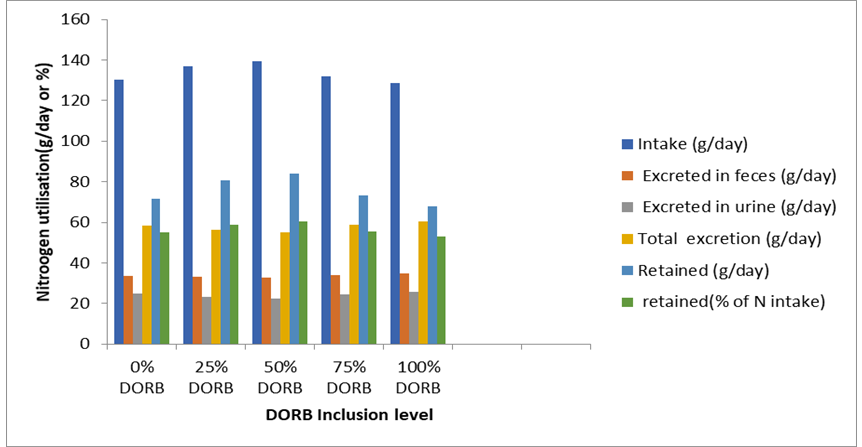
Fig. 1. Effect of deoiled rice bran (DORB) on nitrogen utilisation in Sokoto Gudali young bulls
Reference physiological ranges for cattle according to the MSD Veterinary Manual: glucose (45–75 mg/dL), total protein (5.4–7.5 g/dL), albumin (2.3–3.9 g/dL), and urea nitrogen (20–45 mg/dL). (Fielder, 2024)
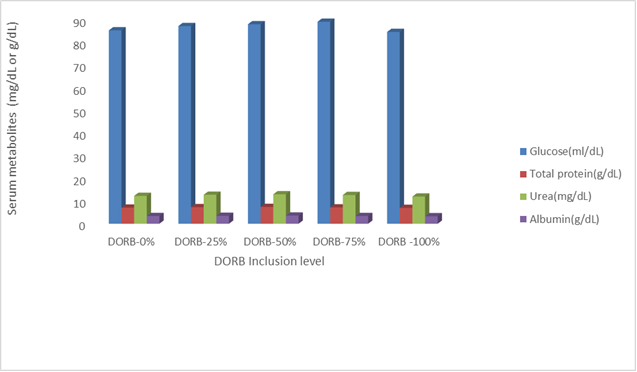
Fig. 2. Effect of deoiled rice bran (DORB) on serum metabolites of Sokoto Gudali young bulls
3.6. Carcass characteristics
Carcass traits are summarised in Table 5. Consistent with earlier performance results, bulls fed 25% and 50% DORB achieved higher slaughter weights and consequently heavier hot and cold carcass weights. Rib-eye area also improved at these levels, demonstrating enhanced muscularity. Dressing percentage and fat thickness were not significantly influenced, although slight numerical increases at moderate DORB inclusion aligned with overall improved performance.
Table 5. Effect of deoiled rice bran (DORB) substitution on carcass characteristics of Sokoto Gudali young bulls*
| Parameter | 0% DORB | 25% DORB | 50% DORB | 75% DORB | 100% DORB | SEM | P-value |
|---|---|---|---|---|---|---|---|
| Liveweight (kg) | 267.5b | 275.3a | 278.7a | 268.9b | 265.0b | 2.15 | 0.042 |
| Hot carcass weight (kg) | 150.3b | 155.7a | 158.2a | 151.1b | 147.6b | 1.85 | 0.046 |
| Cold carcass weight (kg) | 145.2b | 150.1a | 152.3a | 146.0b | 142.7b | 1.89 | 0.049 |
| Dressing percentage (%) | 56.1 | 56.6 | 56.7 | 56.2 | 55.8 | 0.54 | 0.218 |
| Rib eye area (cm2) | 16.5b | 17.9a | 18.2a | 16.8b | 16.1b | 0.47 | 0.037 |
| Fat thickness (cm) | 2.4 | 2.6 | 2.7 | 2.4 | 2.2 | 0.18 | 0.222 |
*ab Means within a row with different superscripts differ significantly (P<0.05); SEM = Standard error of means
3.7. Economic analysis of diets with varying levels of deoiled rice bran (DORB) fed to Sokoto Gudali young bulls
Economic performance indices of Sokoto Gudali young bulls fed diets with varying levels of deoiled rice bran (DORB) are presented in Table 6.
Table 6. Economic analysis of feeding Sokoto Gudali young bulls on varying levels of deoiled rice bran (DORB)*
| Parameter | Feed Intake (kg) | Feed Cost (USD) | Feed & Labour Cost of Bull (USD) | Total Cost (USD) | Sale Value (USD) | Cost per kg of Grain (USD) | Net Profit (USD) | BCR |
|---|---|---|---|---|---|---|---|---|
| 0% DORB | 703.50 | 205.13 | 648.81 | 854.01 | 964.18 | 14.96 | 110.17 | 1.13 |
| 25% DORB | 732.55 | 209.73 | 648.81 | 858.24 | 993.15 | 13.19 | 133.70 | 1.16 |
| 50% DORB | 747.25 | 211.53 | 648.81 | 860.02 | 1005.41 | 12.48 | 144.11 | 1.17 |
| 75% DORB | 714.35 | 206.70 | 648.81 | 855.33 | 967.94 | 14.68 | 113.75 | 1.13 |
| 100% DORB | 700.00 | 205.12 | 648.81 | 853.99 | 954.88 | 15.53 | 101.29 | 1.12 |
* BCR = cost benefit ratio, DORB = deoiled rice bran, USD = US$ ($1.00 = 100 cents)
The total feed intake across treatments ranged from 700.00 to 747.25 kg, with the 50% DORB group incurring the highest combined feed and labour expenditure ($211.53), whereas the 100% DORB group recorded the lowest ($205.12). Sale value trends mirrored final live weights, varying from $954.88 in bulls fed 100% DORB to $1005.41 in those receiving 50% DORB. Total production cost which comprised the costs of the bull, feed, and workmanship, remained relatively uniform among treatments ($853.99 to $860.02), indicating stable baseline investment irrespective of DORB inclusion level. Economic returns showed clear advantages for the 50% DORB diet, which yielded the highest net profit ($144.11) and the lowest cost per kilogram of weight gain ($12.48), highlighting superior biological and financial efficiency. The Benefit Cost Ratio (BCR) was also greatest in the 50% DORB group (1.17), demonstrating the highest return relative to input costs. In contrast, bulls fed 100% DORB had the lowest net profit ($101.29) and BCR (1.12), indicating comparatively reduced profitability.
4.0 Discussion
4.1 Nutrient composition and dietary trends
The nutrient composition of the experimental diets showed consistent shifts with increasing inclusion of DORB. Dry matter (DM) content remained stable across treatments, indicating that DORB had no significant effect on the moisture profile of the concentrate mixtures. The higher DM content in Digitaria smutsii hay aligns with expectations for well-cured tropical forages. Crude protein (CP) content declined as DORB levels increased, reflecting its lower protein concentration compared to WB, which it replaced. Nonetheless, CP levels remained adequate for maintenance and moderate growth, as per NRC (2000) standards. These findings are consistent with those of Singh et al. (2000) and Pudasaini and Dhital (2017), who reported slight reductions in CP with DORB substitution. Slight declines in crude fibre and ether extract (EE) suggest lower structural fibre and residual fat in DORB. Clarget et al. (2020) observed similar reductions in EE due to oil extraction during rice bran processing. Ash content also declined, indicating lower mineral content in DORB, whereas higher ash values in D. smutsii hay may partly reflect soil contamination (Aganga & Tshwenyane, 2003). The increase in nitrogen-free extract (NFE) values with rising DORB levels suggests enhanced availability of digestible carbohydrates, mainly starch and sugar. This supports the findings by Bhanja and Verma (2001) and Faria et al. (2012), who associated higher NFE with improved energy density in DORB-based diets. Concurrent increases in neutral detergent fibre (NDF) and acid detergent fibre (ADF) point to more fibrous material in the diets. However, these levels remained within acceptable limits for beef cattle and did not impair feed intake or digestibility, aligning with observations by Truong and Thu (2022).
4.2 Growth performance and feed intake
Replacing WB with DORB in the concentrate diets significantly influenced the growth performance of Sokoto Gudali bulls. Although initial weights were similar (P = 0.881), bulls fed 25% and 50% DORB achieved higher final weights, total weight gain, and average daily gain (ADG) (P < 0.05). The 50% DORB group showed the highest performance metrics, with a final body weight of 278.7 kg, total gain of 68.9 kg, and ADG of 984 g/day. These improvements indicate more efficient energy utilization at moderate DORB inclusion levels. Similar outcomes were reported by Bishwass et al. (2023) and Madhukar et al. (2024), who found enhanced ADG and feed efficiency in sheep when 30–50% of WB was substituted with DORB. Garg et al. (2004) also noted no adverse effects on growth when DORB was included at up to 50% in sheep diets. Despite fixed concentrate intake (2% of body weight), hay intake increased significantly (P = 0.043) in the 25% and 50% DORB groups, suggesting improved forage palatability or synergistic rumen fermentation. Total dry matter intake was similarly enhanced, consistent with findings by Shahzad et al. (2011) and Tauqir et al. (2011), who observed higher voluntary intake with moderate DORB supplementation. Feed conversion ratio (FCR) significantly improved (P = 0.031) at 25% and 50% DORB (11.25 and 10.85, respectively), suggesting better nutrient utilization. This could result from improved energy–nitrogen synchrony in the rumen, enhancing microbial protein synthesis (Cui et al., 2023). In contrast, higher inclusion levels (75–100%) led to reduced performance, possibly due to increased fibre content, reduced palatability, or anti-nutritional factors such as phytates and silica (Selle et al., 2000; Surovy et al., 2024). The optimal substitution level appears to be 50%, where performance, intake, and feed efficiency were maximized without negative effects. These findings align with earlier studies in tropical systems (Chaudhary et al., 2001; Ertl et al., 2015). Although FCR values of 10.85–12.72 recorded in this study are higher than values typically observed in intensively managed Bos indicus feedlot systems, such as those described for Nellore cattle under high-energy diets (e.g., genetic and performance trials) (Castilhos et al., 2010; Santana et al., 2014; Ferreira et al., 2023), these results are plausible under a roughage-based feeding regime combined with fixed concentrate supplementation. The genetic potential for feed efficiency in tropical zebu is highly variable (Santana et al., 2014), and indigenous breeds like Sokoto Gudali have lower growth rates and maintenance efficiency compared to commercially selected Nelore lines. Therefore, the high FCR observed here is interpreted as a consequence of diet quality, breed genetic background and feeding management, rather than experimental error. Additionally, there is limited published FCR data for Sokoto Gudali under controlled feeding. However, indigenous African zebu breeds are generally recognized as slower-maturing, adapted to low-input systems, and less feed-efficient than intensively selected beef breeds. Thus, the FCR values observed here are consistent with expectations for tropical zebu cattle consuming medium-quality forage with a fixed level of concentrate supplementation (Madziga et al., 2013b).
4.3 Nutrient digestibility and rumen function
This consistency in diet and precise measurement of forage intake ensured that the digestibility coefficients accurately represented the actual feeding conditions used during the performance phase. Digestibility improved markedly at moderate levels of DORB inclusion, particularly at 25% and 50%. These enhancements are likely due to DORB’s favourable nutrient composition, especially its moderate energy density and balanced amino acid profile which can support more efficient microbial fermentation in the rumen. This is consistent with Surovy et al. (2024), who observed higher crude protein (CP) digestibility in goats receiving 50–100 g/day of DORB. In contrast, Singh et al. (2000) reported reduced digestibility at high DORB levels in lactating cows. These differences may stem from species variation, physiological status, or the quality and processing of the DORB used. The 50% DORB group exhibited improved dry matter (DM) and organic matter (OM) digestibility, suggesting better synchrony between fermentable carbohydrates and nitrogen supply. Similar findings were reported by Gul et al. (2015) and Sohail et al. (2017), who highlighted the nutritional richness of rice bran, including its content of essential fatty acids, minerals, and digestible fibre. Higher CP digestibility at this level also reflects DORB’s higher true protein content and better amino acid bioavailability compared to WB, reinforcing earlier recommendations by Wadhwa and Bakshi (2013) for strategic use of agro-industrial by-products. However, digestibility declined at 75% and 100% inclusion, likely due to the cumulative effects of anti-nutritional factors (e.g., phytic acid) and excess fibre. Phytates are known to reduce nutrient bioavailability by chelating proteins and minerals (Selle et al., 2000). Excessive silica content or indigestible fibre fractions may also have impeded microbial fermentation at higher inclusion levels (Khajali & Rafiei, 2024). Fibre digestibility (NDF and ADF) also followed this trend, improving at 25–50% DORB and declining thereafter. This suggests that moderate supplementation can enhance cellulolytic microbial activity, as reported by Van Soest (1994), whereas excessive fibre may slow rumen fermentation or increase digesta passage time. Ether extract (EE) digestibility improved at moderate DORB levels, reflecting better lipid availability and absorption. However, high dietary fat at 75–100% DORB may have depressed fibre digestion and reduced microbial efficiency, a common issue in high-fat ruminant diets (NRC, 2001). These results confirm that partial WB replacement with DORB at 25–50% supports optimal nutrient digestibility while avoiding the digestive challenges seen at higher inclusion levels.
4.4 Nitrogen utilisation
Nitrogen metabolism also responded positively to moderate DORB inclusion. Bulls fed 25% and 50% DORB had significantly higher nitrogen intake and retention, corresponding with improved CP digestibility and nutrient absorption. This mirrors findings by Azevêdo et al. (2011) and Bishwass et al. (2023), who found better nitrogen balance in cattle and sheep when DORB partially replaced WB due to improved rumen degradability and post-ruminal absorption. Reduced urinary nitrogen excretion in these groups suggests more efficient protein utilization, with nitrogen being channeled into tissue synthesis rather than excretion. This is a hallmark of efficient rumen fermentation and microbial protein synthesis, as discussed by Rodríguez et al. (2007) and Rosmalia et al. (2022). Higher nitrogen retention as a percentage of intake further suggests that DORB protein, when fed at moderate levels, is of high biological value and well-aligned with animal metabolic demands. Conversely, nitrogen retention dropped at 75% and 100% DORB inclusion, likely due to reduced digestibility and imbalanced energy-to-protein ratios. Anti-nutritional factors like phytates may have interfered with nitrogen assimilation (Ries et al., 2020), while excessive dietary fibre could have hindered rumen fermentation and nutrient absorption, as noted by Semwogerere et al. (2024). These outcomes stress the importance of limiting DORB inclusion to 50% or less to support efficient nitrogen metabolism.
4.5 Serum metabolites
Serum biochemical indicators further validated the positive effects of moderate DORB inclusion. Bulls fed 25–50% DORB showed elevated serum glucose levels, pointing to improved energy availability, likely due to enhanced carbohydrate digestion and absorption. This aligns with results from Mohd Azmi et al. (2021), who reported similar glucose increases in buffaloes fed rice bran–based diets. When compared with established cattle reference ranges of 40–100 mg/dL, the glucose concentrations observed in this study peaking at 89–90 mg/dL in the 25% and 50% DORB groups, fall well within normal physiological limits, indicating improved metabolic status without risk of hyperglycaemia. Increased serum total protein and albumin concentrations in the 25–50% groups suggest enhanced protein metabolism and hepatic function. These findings reflect the improved nitrogen retention and CP digestibility observed earlier and are consistent with Chen et al. (2023), who linked higher serum protein levels with efficient nutrient absorption and rumen fermentation in cattle receiving unconventional protein sources. Importantly, the highest total protein value observed aligns with the published bovine range of 5.7–7.5 g/dL and is still within the upper physiological limit commonly reported for Zebu cattle (up to ~8.0 g/dL). Similarly, albumin concentrations in this study fall within or very close to the normal range of 2.3–3.6 g/dL, again consistent with typical Zebu profiles, which may extend to 3.9 g/dL. These comparisons confirm that the observed increases reflect improved protein metabolism rather than pathological elevation. Interestingly, serum urea levels remained stable across all treatments. This indicates efficient nitrogen utilization, particularly in the 25–50% groups where reduced urinary nitrogen excretion was also observed. Similar stability in serum urea was reported by Letelier et al. (2022) and Erickson et al. (2024) when dietary protein supply matched animal requirements without excess degradation. The urea concentrations measured in this study fall squarely within the established bovine reference interval of 10–30 mg/dL, further confirming that rumen ammonia production and hepatic detoxification processes remained within normal physiological function. Importantly, the alignment of all serum metabolite values with established cattle reference ranges (Kaneko et al., 2008; MSD Veterinary Manual; Fielder, 2022) confirms that none of the dietary treatments induced metabolic stress or impaired liver function. Instead, the data highlight that moderate DORB inclusion (25–50%) optimizes metabolic responses while maintaining biochemical homeostasis in Sokoto Gudali young bulls.
4.6 Carcass traits
The improvements in carcass characteristics observed at 25% and 50% DORB inclusion were consistent with enhanced growth, feed efficiency, and nutrient utilization. Bulls in these groups showed higher final live weights and significantly greater hot and cold carcass weights, supporting earlier performance outcomes. Although the rib-eye area recorded in this study appears small, this is expected for Sokoto Gudali cattle, which are indigenous Bos indicus animals with inherently slow growth rates and limited muscle accretion potential. Unlike improved zebu breeds such as Nellore that have undergone long-term genetic selection for larger muscle deposition (Pinheiro et al., 2012) , Sokoto Gudali naturally develop smaller longissimus dorsi muscles; thus, the rib-eye area reflects breed characteristics rather than nutritional limitations. Within this genetic context, the increase in rib-eye area at 25% and 50% DORB inclusion indicates real improvements in muscle deposition, likely driven by enhanced protein digestibility and nitrogen retention. These results align with the findings of Mutabazi et al. (2019) and Mohd Azmi et al. (2021), who reported similar carcass responses to energy-rich supplements. The lack of significant variation in dressing percentage and fat thickness across treatments also agrees with Abdullah & Qudsieh (2008) and Flakemore et al. (2015), emphasizing that muscle traits respond more readily to dietary changes than fat deposition. Overall, moderate DORB inclusion (25–50%) effectively enhances carcass yield and meat quality within the natural anatomical limits of the Sokoto Gudali breed.
4.7 Economic analysis
Economic evaluation showed that replacing WB with DORB at 25 – 50% improved profitability, with bulls in the 50% DORB group achieving the best economic indicators. This group had the lowest feed cost per kg of weight gain, the highest net profit, and the most favourable benefit–cost ratio (BCR), demonstrating efficient nutrient utilization and feed conversion. These outcomes are in line with Mutabazi et al. (2019), El-Asheeri et al. (2008), and Kazemi (2025), who emphasized the economic advantages of incorporating agro-industrial by-products into ruminant feeding programs, provided inclusion levels are carefully managed. Profitability declined slightly at 75% and 100% DORB, likely due to poorer performance and digestibility, as well as possible reductions in feed intake. This reflects broader findings in the literature (Truong & Thu, 2022), which caution that high levels of rice bran can lead to reduced palatability or nutrient imbalance if not properly supplemented. Thus, inclusion of DORB at levels of 25–50% provides a cost-effective alternative to wheat bran, particularly for small to medium-scale beef producers in tropical and subtropical systems where feed costs and resource efficiency are critical.
5.0 Conclusion
This study showed that replacing WB with DORB in the concentrate diets of Sokoto Gudali young bulls improved performance, nutrient digestibility, nitrogen utilization, and economic efficiency, with the 50% substitution level producing the most favourable responses. At this inclusion level, bulls demonstrated optimal weight gain, feed conversion, carcass traits, and serum metabolite profiles without any adverse effects on health or carcass quality. These results indicate that DORB is a viable ingredient for partial substitution of wheat bran in concentrate diets for Sokoto Gudali bulls under the conditions of this study. Further studies evaluating long-term effects, meat quality attributes, and breed or regional variations are warranted.
Author Contributions: Conceptualisation: Immanuel I Madziga, Adamu Saidu; Methodology: Bidemi B Jaiyeoba; Software: Bidemi B Jaiyeoba; Validation: Bidemi B Jaiyeoba, Marcus RGF Costa, Jose MP Filho, Leilson R Bezerra; Formal analysis: Marcus RGF Costa; Investigation: Immanuel I Madziga, Bidemi B Jaiyeoba; Resources: Immanuel I Madziga; Data Curation: Jose MP Filho; Writing—Original Draft Preparation: Immanuel I Madziga; Writing—Review and Editing: Immanuel I Madziga. All authors have read and agreed to the published version of the manuscript.
Funding: This research received no external funding.
Ethics Approval Statement: The animal study protocol was approved by the Animal Care and Use Committee of Ahmadu, Bello University, Zaria (protocol code ABUCAUC/2022/025.; 5th February, 2022).
Data Availability Statement: All the relevant data that support the findings of this study are available from the corresponding author upon reasonable request.
Acknowledgments: The authors would like to thank the First Opinion Service of the Queen Veterinary School Hospital for providing the clinical cases object of this report.
Conflicts of Interest: The authors declare no conflicts of interest.
Artificial Intelligence: AI was not used for this original research article.
References
Abdullah YA, Qudsieh RI. 2008. Carcass characteristics of Awassi ram lambs slaughtered at different weights. Livestock Science, 117(2–3), 165–175. https://doi.org/10.1016/j.livsci.2007.12.022
Abubakar MM. 2022. Federal Government to support North-East livestock subsector with free vaccines. Science Nigeria. Available at: https://sciencenigeria.com/fg-to-support-northeast-livestock-subsector-with-free-vaccines/
Aganga AA, Tshwenyane S. 2003. Feeding values and anti-nutritive factors of forage tree legumes. Pakistan Journal of Nutrition, 2(3), 170–177. https://doi.org/10.3923/pjn.2003.170.177
Ajayi FO, Agaviezor BO, Nnah E. 2016. Genetic variability among cattle breeds of Nigeria using thyroid hormone responsive spot 14 alpha gene (THRSPα) through Polymerase chain reaction (PCR). Biotechnology in Animal Husbandry, 32(2), 123–131.
https://doi.org/10.2298/BAH1602123A
Alimi N, Assani AS, Sanni WH, Baco NM, Traoré IA. 2024. Livestock feed resources used as alternatives during feed shortages and their impact on the environment and ruminant performance in West Africa: a systematic review. Frontiers in Veterinary Science, 11, Article 1352235. https://doi.org/10.3389/fvets.2024.1352235
AOAC. 2019. Official Methods of Analysis of the Association of Official Analytical Chemists (21st ed.). AOAC International, Washington, DC, USA.
Azevêdo JAG, Valadares Filho SC, Pina DS, Detmann E, Pereira LGR, Valadares RFD, Fernandes HJ, Costa e Silva LF, Benedeti PB. 2012. Nutritional diversity of agricultural and agro-industrial by-products for ruminant feeding. Arquivos Brasileiros de Medicina Veterinária e Zootecnia, 64(5), 1365–1378. https://doi.org/10.1590/S0102-09352012000500024
Bhanja SK, Verma SVS. 2001. Potential feeding value of deoiled rice bran by Japanese quails. 1. The metabolisable energy content. Asian-Australasian Journal of Animal Sciences, 14(5), 680–683. https://doi.org/10.5713/ajas.2001.680
Bishwass KC, Surovy NF, Shuvo AAS, Murshed HM, Parvin S, Pasha MMH, Rahman SME. 2023. Effect of replacing wheat bran with de-oiled rice bran on growth and blood parameters of native sheep. Journal of Agriculture, Food and Environment, 4(4), 14–19. https://doi.org/10.47440/JAFE.2023.4403
Begna R, Masho W. 2024. Valuation of livestock population and national feed security to enhance livestock productivity in Ethiopia. Veterinary Medicine and Science, 10(3), e1415. https://doi.org/10.1002/vms3.1415
Bottoli, A.H.S.V., Peiter, G.C., Bittencourt, P.R.S., Martin, C.A., & Cottica, S.M. 2023. Evaluation of natural extracts’ antioxidant capacity for controlling fresh sausage oxidation. Food Science and Technology, 43, e124722. https://doi.org/10.5327/fst.124722
Castilhos AM, Branco RH, Corvino TLS, Razook AG, Bonilha SFM, Figueiredo LA. 2010. Feed efficiency of Nellore cattle selected for postweaning weight. Revista Brasileira de Zootecnia, 39(11), 2430–2437. https://doi.org/10.1590/S1516-3598201000110002
Chen M, Dai M, Wang Q, Zhan H, Bai Z. 2023. Effects of different unconventional feed combinations on growth, digestion and rumen fermentation of dairy cows. Cellular and Molecular Biology, 69(3), 182–190. https://doi.org/10.14715/cmb/2023.69.3.27
Chisoro P, Jaja IF, Assan N. 2023. Incorporation of local novel feed resources in livestock feed for sustainable food security and circular economy in Africa. Frontiers in Sustainability, 4, Article 1251179. https://doi.org/10.3389/frsus.2023.1251179
Chaudhary LC, Sahoo A, Agarwal N, Kamra DN, Pathak NN. 2001. Effect of replacing grain with deoiled rice bran and molasses in the diet of lactating cows. Asian-Australasian Journal of Animal Sciences, 14(5), 646–650. https://doi.org/10.5713/ajas.2001.646
Clarget JM, Quintans G, Banchero G, Álvarez-Oxiley A, Bentancur O, López-Mazz CR, Pérez-Clariget R. 2020. Effects of rice bran and glycerin supplementation on metabolic and productive responses of beef cows. Revista Brasileira de Zootecnia, 49, e20190082. https://doi.org/10.37496/rbz4920190082
Cui X, Wang Z, Yan T, Chang S, Hou F. 2023. Modulation of feed digestibility, nitrogen metabolism, energy utilisation and serum biochemical indices by dietary Ligularia virgaurea supplementation in Tibetan sheep. Animal, 17(8), 100910. https://doi.org/10.1016/j.animal.2023.100910
El-Asheeri AK, Sami AS, Radwan MA. 2008. Biological performance and economic indicators of fattened Baladi bullocks under two fattening systems. Egyptian Journal of Animal Production, 45, 69–77. https://doi.org/10.21608/EJAP.2008.104499
Erickson MG, Barros T, Aguerre MJO, Colmenero JJ, Bertics SJ, Wattiaux MA. 2024. Reducing dietary crude protein: effects on digestibility, nitrogen balance, and blood metabolites in late-lactation Holstein cows. Journal of Dairy Science, 107(7), 4394–4408. https://doi.org/10.3168/jds.2023-24079
Ertl P, Zebeli Q, Zollitsch W, Knaus W. 2015. Feeding of by-products completely replaced cereals and pulses in dairy cows and enhanced edible feed conversion ratio. Journal of Dairy Science, 98(2), 1225–1233. https://doi.org/10.3168/jds.2014-8746
Faria SAC, Bassinello PZ, Penteado MVC. 2012. Nutritional composition of rice bran submitted to different stabilization procedures. Brazilian Journal of Pharmaceutical Sciences, 48(4), 651–657. https://doi.org/10.1590/S1984-82502012000400008
Ferreira AMS, Silva SP, de Faria CU, Mendes EDM, Felipe EF. 2021. Comparisons between intake values observed and predicted by nutritional systems for confined Nellore cattle. Bioscience Journal, 37, e37093. https://doi.org/10.14393/BJ-v37n0a2021-54149
Fielder SE. 2022. Serum biochemical analysis reference ranges. Merck Veterinary Manual . Merck & Co., Inc., Rahway, NJ, SA. Available online: https://www.merckvetmanual.com/reference-values-and-conversion-tables/reference-guides/serum-biochemical-analysis-reference-ranges
Flakemore AR, Otto JR, Suybeng B, Balogun RO, Malau-Aduli BS, Nichols PD, Malau-Aduli AEO. 2015. Performance and carcass characteristics of Australian purebred and crossbred lambs supplemented with rice bran. Journal of Animal Science and Technology, 57, Article 36. https://doi.org/10.1186/s40781-015-0069-x
Galyean ML, Hales KE. 2023. Feeding management strategies to mitigate methane and improve production efficiency in feedlot cattle. Animals, 13, Article 758. https://doi.org/10.3390/ani13040758
Garg A, Singh P, Malik R, Agrawal DK. 2004. Effect of replacing maize grain with deoiled rice bran on intake and utilization of nutrients in adult ewes. Small Ruminant Research, 52(1–2), 75–79. https://doi.org/10.1016/S0921-4488(03)00229-3
Georganas A, Giamouri E, Pappas AC, Zoidis E, Goliomytis M, Simitzis P. 2023. Utilization of agro-industrial by-products for sustainable poultry production. Sustainability, 15(4), 3679. https://doi.org/10.3390/su15043679
Gul K, Yousuf B, Singh AK, Singh P, Wani AA. 2015. Rice bran: nutritional values and its emerging potential for development of functional food – a review. Bioactive Carbohydrates and Dietary Fibre, 6(1), 24–30. https://doi.org/10.1016/j.bcdf.2015.06.002
Herrero M, Grace D, Njuki J, Johnson N, Enahoro D, Silvestri S, Rufino MC. 2013. The roles of livestock in developing countries. Animal, 7(s1), 3–18. https://doi.org/10.1017/S1751731112001954
Kazemi M. 2025. Recycling agricultural waste: sustainable solutions for enhancing livestock nutrition. Veterinary Medicine and Science, 11(3), e70321. https://doi.org/10.1002/vms3.70321
Khajali F, Rafiei F. 2024. A review of plant anti-nutritional factors in animal health and production: Classification, biological properties, and passivation strategy. Journal of Agriculture and Food Research, 18, Article 101290. https://doi.org/10.1016/j.jafr.2024.101290
Letelier P, Zanton GI, Wattiaux MA. 2022. Production performance of Holstein cows at four stages of lactation fed four dietary crude protein concentrations. Journal of Dairy Science, 105, 9581–9596. https://doi.org/10.3168/jds.2022-22146
Ma L, Wang H, Qiu Y, Bai Z, Yang Z, Li E, Ma X, Xiao D. 2024. Alternative uses of fermented wheat bran: a mini review. Fermentation, 10(12), Article 611. https://doi.org/10.3390/fermentation10120611
Madhukar V, Rani KS, Kumar DS, Sathish I. 2024. Growth performance and carcass characteristics of ram lambs fed with concentrate mixture containing varying levels of rice dried distillers’ grains with soluble. Journal of Krishi Vigyan, 12(1), 84–91. https://doi.org/10.5958/2349-4433.2024.00016.3
Madziga II, Alawa CBI, Lamidi OS, Goska DY. 2013a. Assessing the nutritional status of four indigenous breeds of cattle using some blood metabolites in Nigeria. Journal of Biology, Agriculture and Healthcare, 3(2), 1–8.
https://www.iiste.org/Journals/index.php/JBAH/article/view/4292/4360
Madziga II, Alawa CBI, Lamidi OS, Goska DY, Adesote AA. 2013b. Feedlot assessment of four indigenous breeds of cattle in Nigeria. International Journal of Life Science and Medical Research, 3(1), 35–38. https://doi.org/10.5963/LSMR030100
Mohd Azmi AF, Ahmad H, Mohd NN, Goh YM, Zamri-Saad M, Abu Bakar MZ, Salleh A, Abdullah P, Jayanegara A, Abu HH. 2021. The impact of feed supplementations on Asian buffaloes: A review. Animals, 11(7), Article 2033.
https://doi.org/10.3390/ani11072033
Mutabazi J, Ebong C, Mutimura M, D’Andre HC. 2019. Cost effectiveness of feeding cattle genotypes fed rice straw with graded levels of concentrate supplements. International Journal of Livestock Production, 10(6), 166–174. https://doi.org/10.5897/IJLP2018.0531
NRC. 2001. Nutrient Requirements of Beef Cattle (7th rev. ed.). Washington, DC: National Academy Press. https://www.nationalacademies.org/publications/9791
Okonkwo UU, Ukaogo V, Kenechukwu D, Nwanshindu V, Okeagu G. 2021. The politics of rice production in Nigeria: The Abakaliki example, 1942–2020. Cogent Arts & Humanities, 8(1), Article 1880680. https://doi.org/10.1080/23311983.2021.1880680
Olorunnisomo OA. 2013. Milk production in Sokoto Gudali cows fed legume or elephant grass ensiled with cassava peel. Livestock Research for Rural Development, 25, Article #105. http://www.lrrd.org/lrrd25/6/olor25105.htm
Pawlak K, Kołodziejczak M. 2020. The role of agriculture in ensuring food security in developing countries: Considerations in the context of sustainable food production. Sustainability, 12(13), 5488. https://doi.org/10.3390/su12135488
Pinheiro TR, Mercadante MEZ, Albuquerque LG, Bonilha SFM, Monteiro FM. 2012. Selection for higher body weight in Nelore cattle is effective in achieving an increase of longissimus muscle area without reducing subcutaneous fat thickness. Revista Brasileira de Zootecnia, 41(6). https://doi.org/10.1590/S1516-35982012000600016
Prache S, Schreurs N, Guillier L. 2022. Review: factors affecting sheep carcass and meat quality attributes. Animal, 16, Article 100330. https://doi.org/10.1016/j.animal.2021.100330
Pudasaini R, Dhital B. 2017. Effect of supplementing rice bran and wheat bran with probiotics on growth performance of Khari kids. International Journal of Applied Sciences and Biotechnology, 5(4), 430–433. https://doi.org/10.3126/ijasbt.v5i4.18748
Purohit P, Rawat H, Verma N, Mishra S, Nautiyal A, Bhatt S, Bisht N, Aggarwal K, Bora A, Kumar H, Rawal P, Kumar A, Kapoor R, Sehrawat J, Rather MA, Naik B, Kumar V, Rustagi S, Preet MS, Gupta AK. 2023. Analytical approach to assess anti-nutritional factors of grains and oilseeds: a comprehensive review. Journal of Agriculture and Food Research, 14, Article 100877. https://doi.org/10.1016/j.jafr.2023.100877
Ries EF, Ferreira CC, Goulart FR, Lovatto NM, Loureiro BB, Bender ABB, Macedo GA, da Silva LP. 2020. Improving nutrient availability of defatted rice bran using different phytase sources applied to grass carp (Ctenopharyngodon idella) diet. Anais da Academia Brasileira de Ciências, 92(3), e20190201. https://doi.org/10.1590/0001-3765202020190201
Rodríguez R, Sosa A, Rodríguez Y. 2007. Microbial protein synthesis in rumen and its importance to ruminants. Cuban Journal of Agricultural Science, 41(4), 287. https://www.researchgate.net/publication/276901672
Rosmalia A, Permana IG, Despal D. 2022. Synchronization of rumen degradable protein with non-fiber carbohydrate on microbial protein synthesis and dairy ration digestibility. Veterinary World, 15(2), 252–261. https://doi.org/10.14202/vetworld.2022.252-261
SAS Institute. 2013. SAS system for Windows, release 9.4. Cary, NC: SAS Institute Inc. https://support.sas.com/software/94/
Santana MHA, Rossi Jr P, Almeida R, Cucco DC. 2012. Feed efficiency and its correlations with carcass traits measured by ultrasound in Nellore bulls. Livestock Science, 145, 252–257. https://doi.org/10.1016/j.livsci.2012.02.012
Semwogerere F, Chikwanha OC, Katiyatiya CLF, Marufu MC, Mapiye C, Muchenje V. 2024. Nutrient intake, digestibility, and utilization in goats fed graded levels of hempseed cake finisher diets. Tropical Animal Health and Production, 56, Article 21.
https://doi.org/10.1007/s11250-023-03864-1
Selle PH, Ravindran V, Caldwell RA, Bryden WL. 2001. Phytate and phytase: consequences for protein utilization. Nutrition Research Reviews, 13(2), 255–278. https://doi.org/10.1079/095442200108729098
Shahzad MA, Tauqir NA, Ahmad F, Nisa MU, Sarwar M, Tipu MA. 2011. Effects of feeding different dietary protein and energy levels on the performance of 12–15-month-old buffalo calves. Tropical Animal Health and Production, 43, 685–694.
https://doi.org/10.1007/s11250-010-9753-5
Singh AS, Jain VK, Singh P, Pathak NN. 2000. Effect of feeding wheat bran and deoiled rice bran on feed intake and nutrient utilization in crossbred cows. Indian Journal of Animal Sciences, 70(12), 1258–1260.
https://epubs.icar.org.in/index.php/IJAnS/article/view/36315
Sohail M, Rakha A, Butt MS, Iqbal MJ, Rashid S. 2017. Rice bran nutraceutics: A comprehensive review. Critical Reviews in Food Science and Nutrition, 57(17), 3771–3780. https://doi.org/10.1080/10408398.2016.1164120
Surovy NFMF, Islam AFMF, Pasha MMH, Murshed HM, Bishwass KC, Chowdhury MNH, Roy T, Afrin S, Rahman SME. 2024. Digestibility of de-oiled rice bran and its effect on the growth performance of native sheep in Bangladesh. Journal of Agriculture, Food and Environment, 5(4), 37–42. https://doi.org/10.47440/JAFE.2024.5407
Tauqir NA, Shahzad MA, Nisa M, Fayyaz M, Tipu MA, Sarwar M. 2011. Response of growing buffalo calves to various energy and protein concentrations. Livestock Science, 137(1–3), 66–72. https://doi.org/10.1016/j.livsci.2010.10.003
Truong NB, Thu NV. 2022. Effect of dietary levels of neutral detergent fiber on feed intake, nutrient digestibility, rumen parameters and nitrogen retention of beef cattle. Advances in Animal and Veterinary Sciences, 10(2), 316–322.
https://doi.org/10.17582/journal.aavs/2022/10.2.316.322
Van Soest PJ. 1994. Nutritional ecology of the ruminant (2nd ed.). Ithaca, NY: Cornell University Press, USA. https://www.cornellpress.cornell.edu/book/9780801427725/nutritional-ecology-of-the-ruminant/#bookTabs=1
Wadhwa M, Bakshi MPS. 2013. Utilization of fruit and vegetable wastes as livestock feed and as substrates for generation of other value-added products. In: Makkar HPS, editor. Food and Agriculture Organization of the United Nations (FAO); Rome.
Disclaimer/Publisher Note: The statements, opinions, institutional affiliations, data contained in all publications, and all responsibilities for accuracy are solely those of the individual author(s) and contributor(s) and not of MARCIAS AUSTRALIA and AJAVAS/or the Editor(s). MARCIAS AUSTRALIA and AJAVAS/or the Editor(s) disclaim responsibility for any injury to people or property resulting from any ideas, methods, instructions or products referred to in the content.
